

Pressure drop across a water check valve is a crucial parameter that directly impacts the efficiency and performance of fluid systems. As a water check valve supplier, understanding and communicating this concept to our customers is of utmost importance. In this blog post, we will delve into the details of what pressure drop across a water check valve is, its significance, and the factors that influence it.
What is Pressure Drop?
Pressure drop, also known as pressure loss, is the difference in pressure between two points in a fluid system. When water flows through a check valve, it encounters resistance due to the valve's internal components, such as the disc, seat, and spring. This resistance causes a reduction in pressure as the water passes through the valve. This reduction in pressure is the pressure drop across the check valve.
Significance of Pressure Drop in Water Check Valves
The pressure drop across a water check valve is significant for several reasons. Firstly, it affects the energy consumption of the system. A higher pressure drop means that more energy is required to pump the water through the valve, leading to increased operating costs. Secondly, excessive pressure drop can cause cavitation, which is the formation and collapse of vapor bubbles in the fluid. Cavitation can damage the valve and other components in the system, leading to reduced reliability and increased maintenance costs. Finally, pressure drop can impact the flow rate of the water through the system. A higher pressure drop can result in a lower flow rate, which may not meet the requirements of the application.
Factors Affecting Pressure Drop in Water Check Valves
Several factors can influence the pressure drop across a water check valve. These factors include:
- Valve Design: The design of the check valve, including the shape and size of the internal components, can have a significant impact on the pressure drop. For example, a valve with a streamlined design will typically have a lower pressure drop than a valve with a more complex design.
- Flow Rate: The flow rate of the water through the valve is directly proportional to the pressure drop. As the flow rate increases, the pressure drop across the valve also increases.
- Fluid Properties: The properties of the fluid, such as viscosity and density, can also affect the pressure drop. A more viscous fluid will typically have a higher pressure drop than a less viscous fluid.
- Valve Size: The size of the check valve can also influence the pressure drop. A larger valve will typically have a lower pressure drop than a smaller valve, as there is more space for the water to flow through.
Measuring Pressure Drop Across a Water Check Valve
Measuring the pressure drop across a water check valve is essential for ensuring the proper operation of the system. There are several methods for measuring pressure drop, including the use of pressure gauges, differential pressure transmitters, and flow meters. When measuring pressure drop, it is important to take readings at the inlet and outlet of the valve and to ensure that the measurements are taken under steady-state conditions.

Reducing Pressure Drop in Water Check Valves
As a water check valve supplier, we understand the importance of reducing pressure drop to improve the efficiency and performance of our customers' systems. There are several ways to reduce pressure drop in water check valves, including:
- Selecting the Right Valve: Choosing the right valve for the application is crucial for minimizing pressure drop. Factors to consider when selecting a valve include the flow rate, pressure, temperature, and fluid properties.
- Proper Installation: Ensuring that the valve is installed correctly is also important for reducing pressure drop. The valve should be installed in the correct orientation and should be properly supported to prevent vibration and misalignment.
- Regular Maintenance: Regular maintenance of the valve is essential for ensuring its proper operation and for reducing pressure drop. This includes cleaning the valve, inspecting the internal components for wear and damage, and replacing any worn or damaged parts.
Recommended Products
At our company, we offer a wide range of water check valves designed to minimize pressure drop and improve the efficiency of your system. Some of our recommended products include:
- Micro Water Valve Single Direction Water Flow Valve: This valve is designed for applications where space is limited and a low-pressure drop is required.
- 12v dc water solenoid valve: This valve is ideal for applications where precise control of the water flow is required.
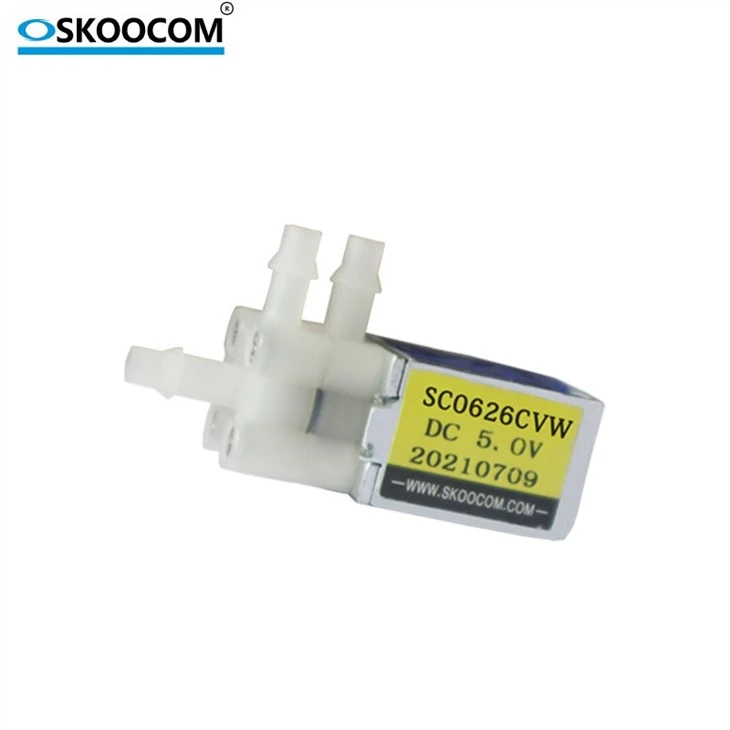
- Mini Water Solenoid Valve DC5V SC0626CVW: This valve is suitable for applications where a small, lightweight valve is required.
Conclusion
In conclusion, pressure drop across a water check valve is an important parameter that can have a significant impact on the efficiency and performance of fluid systems. As a water check valve supplier, we are committed to providing our customers with high-quality valves that minimize pressure drop and improve the reliability of their systems. If you have any questions about pressure drop or our water check valves, please contact us to discuss your specific requirements. We look forward to working with you to find the best solution for your application.
References
- Crane Co., "Flow of Fluids Through Valves, Fittings, and Pipe," Technical Paper No. 410.
- ASME, "Pipe Friction Manual," American Society of Mechanical Engineers.
- Walas, S. M., "Chemical Process Equipment: Selection and Design," Butterworth-Heinemann.