

The compression set of a cable pad is a crucial property that significantly impacts its performance and longevity in various applications. As a cable pad supplier, understanding this concept is essential for providing high - quality products to our customers.
What is Compression Set?
Compression set is defined as the inability of a material to return to its original thickness after being compressed for a specified period under certain conditions. When a cable pad is subjected to a compressive force, its structure deforms. If the material has a high compression set, it will not fully regain its original shape once the force is removed. This is often measured as a percentage. For example, if a cable pad has a compression set of 20%, it means that after being compressed and then released, it will remain 20% thinner than its original thickness.
The compression set of a cable pad is affected by several factors, including the material composition, temperature, compression time, and the magnitude of the compressive force. Different materials have different inherent abilities to resist deformation. For instance, rubber - based cable pads can have varying compression set values depending on the type of rubber used, such as natural rubber, neoprene, or silicone.
Material Composition and Compression Set
The choice of material for a cable pad is a key determinant of its compression set. Natural rubber is known for its excellent elasticity, which generally results in a relatively low compression set. It can withstand repeated compression and return to its original shape effectively. However, it may have limitations in terms of resistance to chemicals and high temperatures.
Neoprene, on the other hand, offers better resistance to oil, ozone, and weathering compared to natural rubber. It also has a good balance between elasticity and compression set. This makes it a popular choice for cable pads in outdoor or industrial environments where exposure to harsh conditions is common.
Silicone rubber is highly regarded for its high - temperature resistance and electrical insulation properties. Although it may have a slightly higher compression set compared to some other rubbers, its unique characteristics make it suitable for applications where extreme temperatures are involved, such as in electrical equipment or automotive engines.
As a cable pad supplier, we carefully select the materials based on the intended application of the cable pads. For general - purpose indoor use, we might recommend natural rubber - based pads due to their low cost and good compression - recovery properties. For more demanding outdoor or industrial applications, neoprene or silicone pads would be more appropriate.
Impact of Temperature on Compression Set
Temperature plays a significant role in the compression set of a cable pad. At higher temperatures, the molecular structure of the rubber material becomes more flexible, and the intermolecular forces are weakened. This makes the material more prone to permanent deformation when compressed. As a result, the compression set of a cable pad increases with rising temperature.
Conversely, at lower temperatures, the rubber material becomes stiffer, and its ability to recover from compression is also affected. The molecules have less mobility, and the material may become brittle, leading to an increase in compression set as well.
For example, in a cold climate, a cable pad made of a material with poor low - temperature flexibility may become rigid and fail to provide adequate cushioning. On the other hand, in a high - temperature environment, a pad with a high compression set at elevated temperatures may lose its sealing or insulating properties over time.
To address these temperature - related issues, we, as a supplier, offer cable pads with different temperature ratings. Our Long - life Insulation Electric Audio Shock Seal Rubber Pad Mat is designed to maintain its performance over a wide temperature range, ensuring reliable operation in various climates.
Compression Time and Force
The duration of compression and the magnitude of the compressive force also have a direct impact on the compression set of a cable pad. When a cable pad is compressed for an extended period, the material gradually loses its ability to recover. This is because the long - term deformation causes the molecular chains in the rubber to rearrange and become more permanently fixed in the compressed state.
Similarly, a higher compressive force will cause more significant deformation of the cable pad, increasing the likelihood of a higher compression set. In applications where the cable pad is subjected to continuous high pressure, such as in heavy - duty machinery or high - voltage electrical installations, it is crucial to choose a cable pad with a low compression set.
Our Long - life Socket Insulation Cable Motor Waterproof Rubber Pad is engineered to withstand high compressive forces and long - term compression. It is made from high - quality materials that have been tested to ensure minimal compression set even under extreme conditions.
Importance of Compression Set in Cable Pad Applications
In cable management, a cable pad with a low compression set is essential for maintaining proper insulation, sealing, and cushioning. For electrical cables, the pad acts as an insulator, preventing electrical leakage and short - circuits. If the compression set is too high, the pad may lose its contact with the cables over time, reducing its insulating effectiveness.
In terms of sealing, a cable pad with good compression - recovery properties can effectively prevent the ingress of dust, moisture, and other contaminants. This is particularly important in outdoor or industrial settings where cable integrity is at risk.
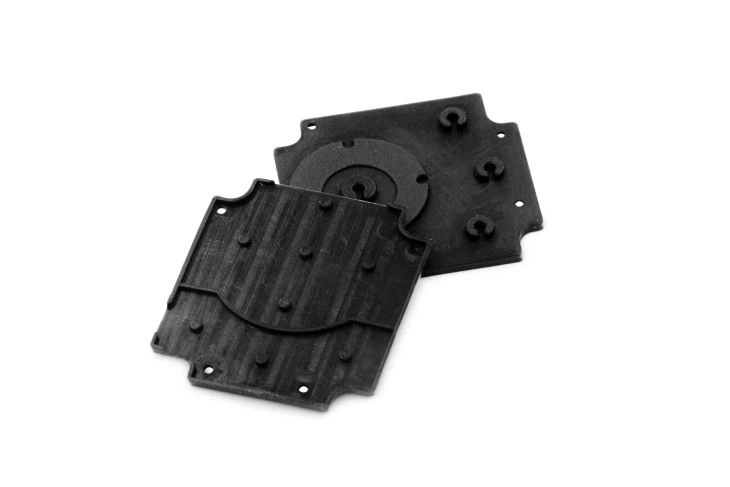
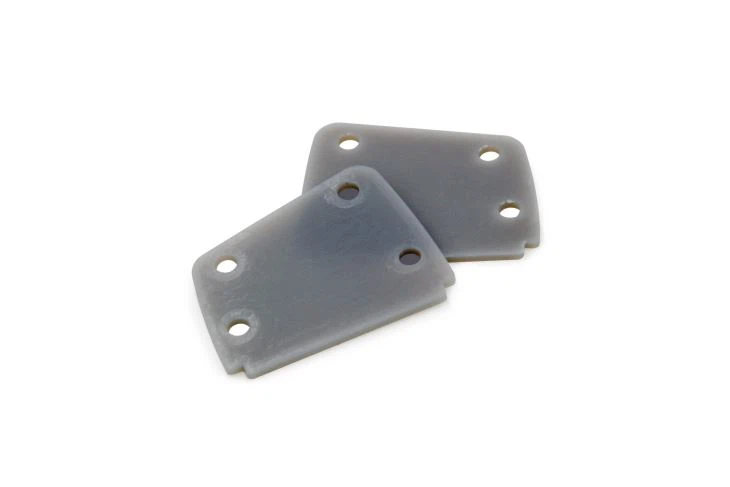
Cushioning is another critical function of cable pads. They protect the cables from mechanical stress and vibration. A pad with a low compression set can provide consistent cushioning over its lifespan, ensuring the long - term durability of the cables.
Quality Control and Testing
As a cable pad supplier, we have a rigorous quality control process in place to ensure that our products meet the required compression set standards. We conduct regular testing using industry - standard methods. One common test is the ASTM D395 test, which measures the compression set of rubber materials under specific conditions of temperature, time, and compression force.
We also perform in - house testing to simulate real - world applications. This allows us to evaluate the performance of our cable pads in different scenarios and make any necessary adjustments to the manufacturing process.
Conclusion
The compression set of a cable pad is a vital property that affects its performance, durability, and suitability for various applications. As a cable pad supplier, we are committed to providing our customers with high - quality cable pads that have low compression set values. By carefully selecting materials, considering temperature and compression conditions, and implementing strict quality control measures, we ensure that our products meet the highest standards.
If you are in need of cable pads for your specific application, we invite you to contact us for a detailed discussion. Our team of experts can help you choose the most appropriate cable pad based on your requirements. Whether you need pads for electrical insulation, sealing, or cushioning, we have the solutions to meet your needs. Reach out to us today to start the procurement process and ensure the long - term reliability of your cable systems.
References
- ASTM D395 - Standard Test Methods for Rubber Property - Compression Set.
- Engineering Materials Handbook: Volume 2 - Engineering Plastics.
- Rubber Technology: Compounding, Mixing, and Vulcanization.