

As a seasoned rubber pad supplier, I've witnessed firsthand the wide spectrum of price ranges for rubber pads. The cost of these versatile products can vary significantly based on several factors, which I'll delve into in this blog post.
1. Material Composition
One of the most influential factors in determining the price of rubber pads is the material used in their production. Different rubber compounds offer distinct properties, and these properties directly impact the cost.
Natural rubber is known for its excellent elasticity, resilience, and flexibility. It's often used in applications where a high degree of stretch and bounce is required. However, natural rubber is also subject to price fluctuations due to factors such as weather conditions affecting rubber tree plantations and global supply - demand dynamics. On average, natural rubber pads can range from $5 to $20 per square foot, depending on the thickness and quality.
Synthetic rubbers, such as neoprene, nitrile, and EPDM, have their own unique advantages. Neoprene is resistant to oil, chemicals, and weathering, making it suitable for outdoor and industrial applications. Nitrile rubber has excellent oil and fuel resistance, commonly used in automotive and machinery settings. EPDM is highly resistant to ozone, UV rays, and extreme temperatures, often found in roofing and electrical insulation. Synthetic rubber pads typically cost between $8 and $30 per square foot. The higher end of the range is usually for specialty synthetic rubbers with enhanced properties or those used in high - precision applications.
Silicone rubber is another popular choice, especially for applications that require high - temperature resistance, electrical insulation, and biocompatibility. Silicone rubber pads can be more expensive, ranging from $15 to $50 per square foot. This is due to the complex manufacturing processes involved in producing silicone rubber and its specialized properties.
2. Size and Thickness
The size and thickness of rubber pads also play a crucial role in determining their price. Larger and thicker rubber pads generally cost more than smaller and thinner ones. This is because more raw material is required to produce them, and the manufacturing process may be more complex.
For small, thin rubber pads used in consumer products like keyboard mats or phone cases, the price can be as low as $0.50 to $5 per piece. These pads are usually mass - produced, which helps to keep the cost down.
On the other hand, large, thick rubber pads used in industrial machinery or construction projects can cost hundreds or even thousands of dollars. For example, a large rubber pad with a thickness of 2 inches and dimensions of 4 feet by 8 feet used for vibration isolation in a heavy - duty machine may cost anywhere from $500 to $2000.
3. Quality and Durability
The quality and durability of rubber pads are closely related to their price. Higher - quality rubber pads are made with better materials, more precise manufacturing processes, and undergo more rigorous quality control. These pads are designed to last longer and perform better under various conditions.
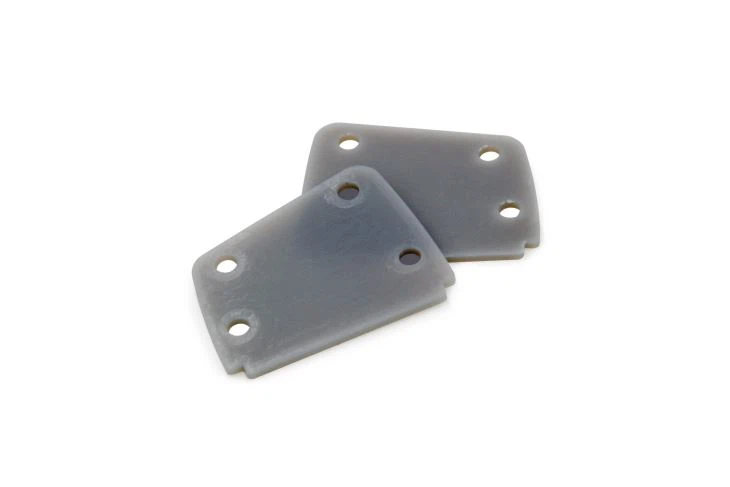

Long - lasting rubber pads, such as the Long - life Socket Insulation Cable Motor Waterproof Rubber Pad, are built to withstand harsh environments, including exposure to water, chemicals, and extreme temperatures. These pads may cost 20% to 50% more than standard rubber pads, but the investment is often worth it in the long run due to reduced replacement costs and improved performance.
Similarly, the Long - life Insulation Electric Audio Shock Seal Rubber Pad Mat is engineered for high - performance applications, providing excellent insulation and shock absorption. The price of such high - quality pads reflects their superior design and construction.
4. Quantity of Order
The quantity of rubber pads ordered also affects the price. Generally, the more rubber pads you order, the lower the unit price. This is because suppliers can take advantage of economies of scale in production, purchasing raw materials in bulk, and streamlining the manufacturing process.
For small orders of less than 100 pieces, the unit price may be relatively high. However, if you place an order for 1000 pieces or more, you can expect a significant discount, sometimes up to 30% or more. This makes it more cost - effective for businesses to order larger quantities when they have a long - term need for rubber pads.
5. Customization
Custom - made rubber pads are often more expensive than standard off - the - shelf products. Customization can include unique shapes, sizes, colors, and surface patterns, as well as the addition of special features such as embossing, printing, or inserts.
The cost of customization depends on the complexity of the design and the manufacturing processes required. For relatively simple customizations, such as a non - standard size or a basic color change, the additional cost may be around 10% to 20% of the standard price. However, for highly complex custom designs, the cost can increase by 50% or more.
Price Ranges in Different Markets
The price of rubber pads can also vary depending on the market. In developed countries, where labor costs and environmental regulations are higher, the price of rubber pads may be relatively expensive. In contrast, in developing countries with lower production costs, rubber pads may be more affordable.
In the consumer market, rubber pads are often sold at a wide range of prices. You can find inexpensive rubber pads at discount stores or online marketplaces, while high - end specialty rubber pads are available at specialty stores or through direct suppliers.
In the industrial market, the price of rubber pads is more closely tied to the specific requirements of the application. Industrial buyers are often willing to pay a premium for high - quality rubber pads that can improve the performance and reliability of their equipment.
Conclusion
In summary, the price range of rubber pads is quite broad, from a few cents for small, basic pads to thousands of dollars for large, high - performance custom - made pads. When considering the purchase of rubber pads, it's important to take into account factors such as material composition, size, thickness, quality, quantity, and customization.
As a rubber pad supplier, I understand that finding the right balance between price and quality is crucial for our customers. Whether you're looking for a cost - effective solution for a consumer product or a high - performance pad for an industrial application, we can provide you with a wide range of options to meet your needs.
If you're interested in purchasing rubber pads or would like to discuss your specific requirements, please don't hesitate to reach out. We're here to assist you in finding the perfect rubber pads at the right price.
References
- "Rubber Technology Handbook" by Werner Hofmann
- Industry reports on rubber manufacturing and pricing trends