

As a supplier of seal mats, I've encountered numerous inquiries about the chemical resistance of these essential components. Chemical resistance is a crucial property that determines the suitability of a seal mat for various applications. In this blog, I'll delve into what chemical resistance means for seal mats, factors affecting it, and how to choose the right seal mat with appropriate chemical resistance.
Understanding Chemical Resistance in Seal Mats
Chemical resistance refers to a material's ability to withstand the effects of chemical substances without significant degradation. When a seal mat is exposed to chemicals, it may experience swelling, softening, hardening, or loss of physical properties. These changes can compromise the seal's integrity, leading to leaks, reduced performance, and potential safety hazards.
For example, in the automotive industry, seal mats are used in engines, fuel systems, and coolant systems. They need to resist a variety of chemicals such as gasoline, diesel, engine oil, coolant, and brake fluid. If a seal mat does not have adequate chemical resistance, it can break down over time, causing leaks that can damage the engine or other components.
In the chemical processing industry, seal mats are used to contain corrosive chemicals such as acids, bases, and solvents. A seal mat with poor chemical resistance can be quickly destroyed by these substances, leading to spills and environmental contamination.
Factors Affecting Chemical Resistance
Several factors influence the chemical resistance of a seal mat:
Material Composition
The type of material used to make the seal mat is the most significant factor. Different materials have different chemical structures, which determine their resistance to various chemicals.
- Rubber: Natural rubber has limited chemical resistance and is mainly suitable for applications where exposure to mild chemicals is expected. Synthetic rubbers, on the other hand, offer better chemical resistance. For example, nitrile rubber (NBR) is resistant to oils, fuels, and hydraulic fluids, making it a popular choice for automotive and industrial applications. Fluoroelastomers, such as Viton, have excellent resistance to a wide range of chemicals, including acids, bases, and solvents, and are often used in high - performance applications.
- Silicone: Silicone rubber has good resistance to high temperatures and some chemicals, such as water, alcohols, and weak acids. However, it may not be suitable for applications involving strong solvents or fuels.
- PTFE (Polytetrafluoroethylene): PTFE is known for its exceptional chemical resistance. It can withstand almost all chemicals, including strong acids, bases, and organic solvents. It is often used in applications where extreme chemical resistance is required, such as in the chemical processing and pharmaceutical industries.
Temperature
Temperature can significantly affect the chemical resistance of a seal mat. As the temperature increases, the chemical reaction between the seal mat material and the chemical substance may accelerate, leading to faster degradation. For example, a seal mat that has good chemical resistance at room temperature may not perform well at high temperatures. Therefore, it is essential to consider the operating temperature range when selecting a seal mat with appropriate chemical resistance.
Concentration of Chemicals
The concentration of the chemical substance also plays a role. A seal mat may be able to withstand a low - concentration solution of a particular chemical but may be damaged by a high - concentration solution. For instance, a rubber seal mat may be resistant to a dilute acid solution but may deteriorate rapidly when exposed to a concentrated acid.
Testing Chemical Resistance
To determine the chemical resistance of a seal mat, various testing methods can be used:
Immersion Testing
This is the most common method. A sample of the seal mat is immersed in the chemical substance for a specified period at a given temperature. After the immersion period, the sample is removed, and its physical properties, such as weight, volume, hardness, and tensile strength, are measured. Any significant changes in these properties indicate a lack of chemical resistance.
Exposure Testing
In this method, the seal mat is exposed to the chemical substance in a real - world or simulated environment. The seal mat is observed over time for signs of degradation, such as cracking, swelling, or loss of elasticity.
Choosing the Right Seal Mat for Chemical Resistance
When selecting a seal mat with appropriate chemical resistance, the following steps can be taken:
Identify the Chemicals
First, identify the chemicals that the seal mat will be exposed to. This includes the type of chemicals, their concentrations, and the duration of exposure.
Consider the Application Conditions
Take into account the operating temperature, pressure, and other environmental factors. For example, if the seal mat will be used in a high - temperature environment, a material with good heat resistance and chemical resistance should be chosen.
Consult with a Supplier
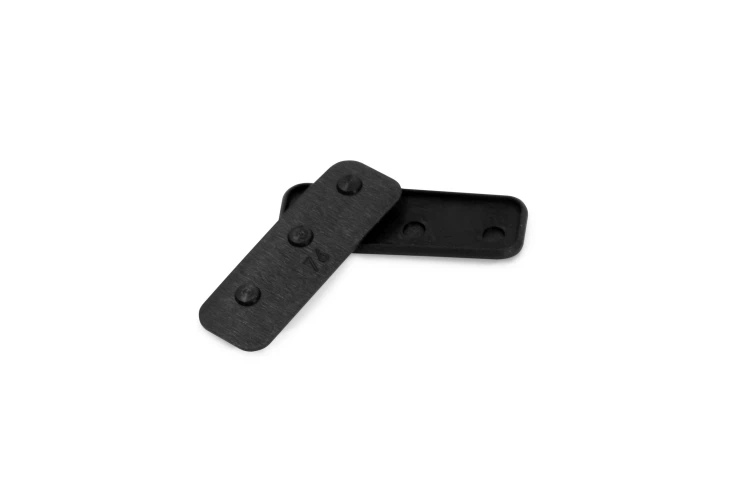
As a seal mat supplier, I can provide valuable advice based on my experience and knowledge. I can recommend the most suitable material and type of seal mat for your specific application. For example, if you need a seal mat for an automotive fuel system, I may recommend a nitrile rubber seal mat due to its good resistance to fuels and oils. You can find some of our high - quality seal mats like the Long - life Socket Insulation Cable Motor Waterproof Rubber Pad and Long - life Insulation Electric Audio Shock Seal Rubber Pad Mat on our website.

Importance of Chemical Resistance in Different Industries
Food and Beverage Industry
In the food and beverage industry, seal mats are used in processing equipment, storage tanks, and piping systems. They need to be resistant to food acids, alkalis, and cleaning agents. A seal mat with poor chemical resistance can contaminate the food or beverage products, leading to health risks and product recalls.
Pharmaceutical Industry
In the pharmaceutical industry, seal mats are used in drug manufacturing equipment, storage containers, and packaging. They must be resistant to a wide range of chemicals, including solvents, acids, and bases, to ensure the purity and quality of the pharmaceutical products.
Oil and Gas Industry
In the oil and gas industry, seal mats are used in drilling equipment, pipelines, and refineries. They are exposed to harsh chemicals such as crude oil, natural gas, and various chemicals used in the extraction and refining processes. A seal mat with inadequate chemical resistance can lead to leaks, which can pose safety risks and cause environmental damage.
Conclusion
Chemical resistance is a vital property of seal mats. By understanding the factors affecting chemical resistance, conducting appropriate testing, and choosing the right seal mat for the specific application, you can ensure the long - term performance and reliability of your equipment. As a seal mat supplier, I am committed to providing high - quality seal mats with excellent chemical resistance. If you have any questions or need assistance in selecting the right seal mat for your application, please feel free to contact me for a procurement discussion.
References
- ASTM International. (20XX). Standard test methods for rubber properties in liquids.
- Rubber Manufacturers Association. (20XX). Chemical resistance guide for rubber products.