

Hey there! As a rubber pad supplier, I've seen all sorts of rubber pads in my time. Rubber pads are super versatile and are used in tons of different industries for various purposes. In this blog, I'm gonna break down the different types of rubber pads out there.
1. Natural Rubber Pads
Natural rubber pads are made from the latex of rubber trees. They're known for their excellent elasticity and resilience. You can stretch them a whole lot without them breaking, and they'll quickly bounce back to their original shape.
One of the big advantages of natural rubber pads is their great grip. This makes them perfect for applications where you need something to stay in place. For example, they're often used as anti - slip pads under furniture. You know how annoying it is when your chair keeps sliding on the floor? A natural rubber pad can fix that problem right away.
Another common use is in the automotive industry. Natural rubber pads are used in engine mounts. They help to absorb vibrations from the engine, making the ride smoother and quieter. But natural rubber does have its downsides. It's not very resistant to oil, ozone, and heat. So, in environments where these elements are present, other types of rubber pads might be a better choice.
2. Synthetic Rubber Pads
Synthetic rubber pads are man - made, and there are several different types. Let's take a look at some of the most popular ones.
Neoprene Rubber Pads
Neoprene is a type of synthetic rubber that's really tough. It's highly resistant to oil, chemicals, and ozone. This makes it a great option for outdoor applications. For instance, neoprene rubber pads are often used in the construction industry. They can be used as seals around windows and doors to keep out water, air, and dust.
Neoprene also has good heat resistance, so it can be used in some high - temperature applications. You might find neoprene rubber pads in industrial ovens or near machinery that generates a lot of heat. And because it's flexible, it can easily conform to different shapes, which is really handy in a lot of situations.
Nitrile Rubber Pads
Nitrile rubber is well - known for its outstanding oil resistance. If you're working in an environment where there's a lot of oil, like in a car repair shop or a manufacturing plant that deals with lubricants, nitrile rubber pads are the way to go.
They're also used in the food and beverage industry. Nitrile rubber is non - toxic and can be in contact with food safely. So, you'll often see nitrile rubber pads used as gaskets in food processing equipment. They help to create a tight seal, preventing any leaks and keeping the food products clean.
EPDM Rubber Pads
EPDM stands for Ethylene Propylene Diene Monomer. EPDM rubber pads have excellent weather resistance. They can withstand extreme temperatures, from really cold to really hot, without losing their properties. This makes them ideal for outdoor use, such as in roofing applications.
EPDM rubber pads are also used in the electrical industry. They have good electrical insulation properties, so they can be used to insulate electrical components. If you're looking for a long - lasting, weather - resistant, and electrically insulating rubber pad, EPDM is a great choice.
3. Silicone Rubber Pads
Silicone rubber pads are pretty special. They have a wide temperature range, from - 60°C to 230°C. This means they can be used in both extremely cold and extremely hot environments.
In the food industry, silicone rubber pads are very popular. They're non - stick, which makes them perfect for baking. You can use them as baking mats instead of parchment paper. They're also easy to clean and can be reused many times.
In the electronics industry, silicone rubber pads are used for their electrical insulation properties. They can be used to protect sensitive electronic components from electrical shocks. For example, you might find silicone rubber pads under computer components to prevent short - circuits. And if you're interested in a high - quality silicone - like rubber pad, you can check out our Long - life Insulation Electric Audio Shock Seal Rubber Pad Mat. It's designed to provide excellent insulation and protection.
4. Fluorocarbon Rubber Pads
Fluorocarbon rubber, also known as Viton, is one of the most high - performance synthetic rubbers. It has excellent resistance to heat, chemicals, and fuels. In the aerospace industry, fluorocarbon rubber pads are used in aircraft engines. They can withstand the high temperatures and harsh chemicals present in jet fuel.
Fluorocarbon rubber pads are also used in the chemical processing industry. They can be used as gaskets and seals in pipes and tanks that carry corrosive chemicals. But they're quite expensive compared to other types of rubber pads, so they're usually only used in applications where their high - performance properties are absolutely necessary.
5. Butyl Rubber Pads
Butyl rubber pads have very low gas permeability. This means they're great at keeping gases in or out. They're often used in the tire industry. Butyl rubber is used to make the inner tubes of tires because it can hold air for a long time.
In the pharmaceutical industry, butyl rubber pads are used as stoppers for vials. They create a tight seal, preventing any contamination from getting into the medicine. Butyl rubber also has good vibration - damping properties, so it can be used in some machinery to reduce noise and vibration.
6. Specialty Rubber Pads
There are also some specialty rubber pads that are designed for very specific applications.
Conductive Rubber Pads
Conductive rubber pads are made with materials that allow electricity to flow through them. They're used in the electronics industry, especially in devices where static electricity needs to be dissipated. For example, in computer keyboards, conductive rubber pads are used under the keys. When you press a key, the conductive rubber pad makes contact with the circuit board, sending an electrical signal.
Anti - Vibration Rubber Pads
Anti - vibration rubber pads are used to reduce the amount of vibration transferred between two objects. They're commonly used in machinery. If you have a machine that vibrates a lot, it can cause damage to other parts of the equipment or create a lot of noise. Anti - vibration rubber pads can help to solve these problems. You can find them in everything from small household appliances to large industrial machinery. And if you're looking for a long - lasting option for your machinery, our Long - life Socket Insulation Cable Motor Waterproof Rubber Pad is a great choice.

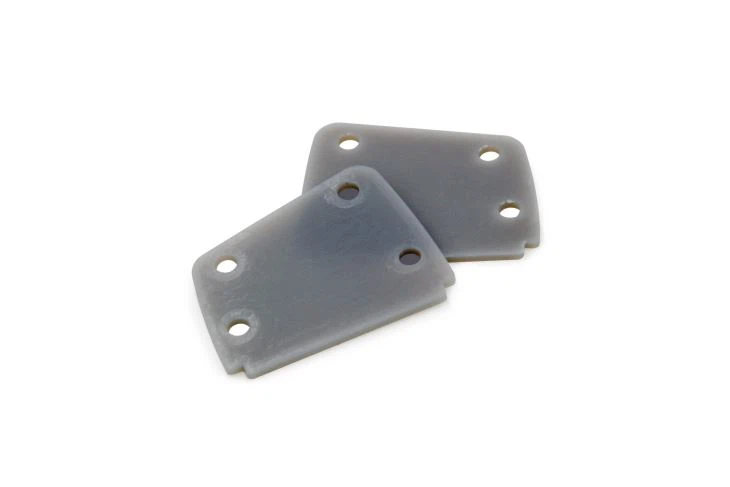
So, there you have it! These are some of the different types of rubber pads. Each type has its own unique properties and uses. When choosing a rubber pad, it's important to consider the environment it'll be used in, the specific requirements of your application, and your budget.
If you're in the market for rubber pads, whether it's for a small DIY project or a large - scale industrial application, I'd love to help. We have a wide range of high - quality rubber pads to meet your needs. Just get in touch, and we can start a conversation about what's the best option for you.
References
- "Handbook of Elastomers" by Brian M. Walker
- "Rubber Technology: Compounding, Processing, and Testing of Rubber" by Werner Hofmann