

Hey there! As an air valve supplier, I've seen firsthand how important it is to keep these little guys in tip - top shape. Air valves play a crucial role in a wide range of applications, from massager machines to coffee makers. In this blog, I'm gonna share some tips on how to maintain an air valve effectively.
Regular Inspection
The first step in maintaining an air valve is regular inspection. You don't have to do it every single day, but a weekly or monthly check should do the trick, depending on how often the valve is used.
Start by looking for any visible signs of damage. Check the body of the valve for cracks or dents. These can happen due to physical impact during installation or normal wear and tear. A cracked valve can lead to air leaks, which not only affect the performance of the system but can also be a safety hazard in some cases.
Next, examine the connections. Make sure all the pipes and fittings are tightly attached to the valve. Loose connections can cause air to escape, reducing the efficiency of the valve. You can use a wrench to gently tighten any loose fittings, but be careful not to over - tighten as this can damage the threads.
Also, take a look at the seals. Seals are what prevent air from leaking out of the valve. Over time, they can wear out or become damaged. If you notice any signs of wear, such as cracks or dryness, it's time to replace the seals. You can find replacement seals at most hardware stores or order them from your air valve supplier.
Cleaning
Cleaning is another essential part of air valve maintenance. Dirt, dust, and debris can accumulate inside the valve over time, blocking the air passage and affecting its performance.
To clean the valve, first, turn off the power supply and disconnect it from the system. This is really important to avoid any accidents. Then, use a soft brush or a compressed air canister to remove any loose dirt from the outside of the valve.
For the inside of the valve, you can soak it in a mild cleaning solution. Make sure to use a solution that is compatible with the materials of the valve. After soaking for a few minutes, use a small brush to gently scrub the inside of the valve. Rinse it thoroughly with clean water and let it dry completely before reinstalling.
Lubrication (if applicable)
Some air valves require lubrication to function smoothly. However, not all valves need it, so make sure to check the manufacturer's instructions.
If lubrication is required, use a high - quality lubricant that is recommended for air valves. Apply a small amount of lubricant to the moving parts of the valve, such as the piston or the diaphragm. Be careful not to over - lubricate, as this can attract more dirt and debris.
Testing
After performing the inspection, cleaning, and lubrication (if needed), it's important to test the valve to make sure it's working properly.
You can do a simple on - off test. If it's an electrically - operated valve, turn on the power and see if the valve opens and closes as it should. Listen for any unusual sounds, such as rattling or hissing, which could indicate a problem.
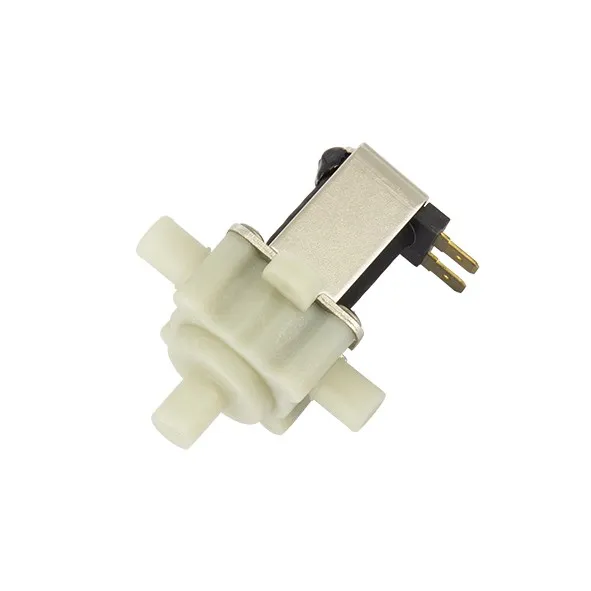
If the valve is part of a larger system, you can also test its performance within the system. For example, if it's a Solenoid Valve For Massager Machine 3v 12v used in a massager, turn on the massager and see if the valve operates correctly to control the air flow.
Storage
If you have spare air valves or need to store a valve for a long period, proper storage is crucial. Store the valve in a clean, dry place away from direct sunlight and extreme temperatures. You can also cover the valve with a protective bag to prevent dust and dirt from accumulating on it.

Troubleshooting Common Issues
Even with regular maintenance, air valves can sometimes develop problems. Here are some common issues and how to troubleshoot them:
Air Leaks
As mentioned earlier, air leaks can be caused by cracked valves, loose connections, or worn - out seals. Check for these issues as described in the inspection section. If it's a seal problem, replace the seal. If the valve is cracked, you may need to replace the entire valve.
Valve Not Opening or Closing
This could be due to electrical problems if it's an electrically - operated valve. Check the power supply, the wiring, and the solenoid. Make sure the voltage is correct and there are no loose or damaged wires. If it's a mechanical valve, there could be something blocking the piston or the diaphragm. Remove the blockage and clean the valve if necessary.
Erratic Operation
If the valve is opening and closing at random times, it could be a problem with the control system. Check the sensors and the control signals to make sure they are working properly. Sometimes, a software glitch can also cause this issue, so you may need to reset the control system.
In conclusion, maintaining an air valve is not overly complicated, but it does require some attention and regular checks. By following these steps, you can extend the lifespan of your air valve and ensure it operates at its best.
Whether you're in the market for a Micro Solenoid Valve for a small - scale project or a High 12v Selenoid Valve For Coffee Machine, we're here to help. If you have any questions about air valve maintenance or are interested in purchasing air valves, feel free to contact us for a friendly chat. Our team of experts is always ready to assist you in finding the right solution for your needs.
References
- General knowledge from years of experience in the air valve supply industry.
- Manufacturer's manuals for various air valves.