

Hey there! As a supplier of electric valves for water, I've seen firsthand how crucial energy efficiency is in today's world. Not only does it save money, but it also helps the environment. So, I'm here to share some tips on how to improve the energy efficiency of an electric valve for water.
1. Choose the Right Valve for the Job
The first step in improving energy efficiency is to select the right electric valve for your specific application. Different valves have different energy requirements, so it's important to match the valve to the task at hand. For example, if you're dealing with a low-flow application, a smaller valve might be more energy-efficient than a larger one.
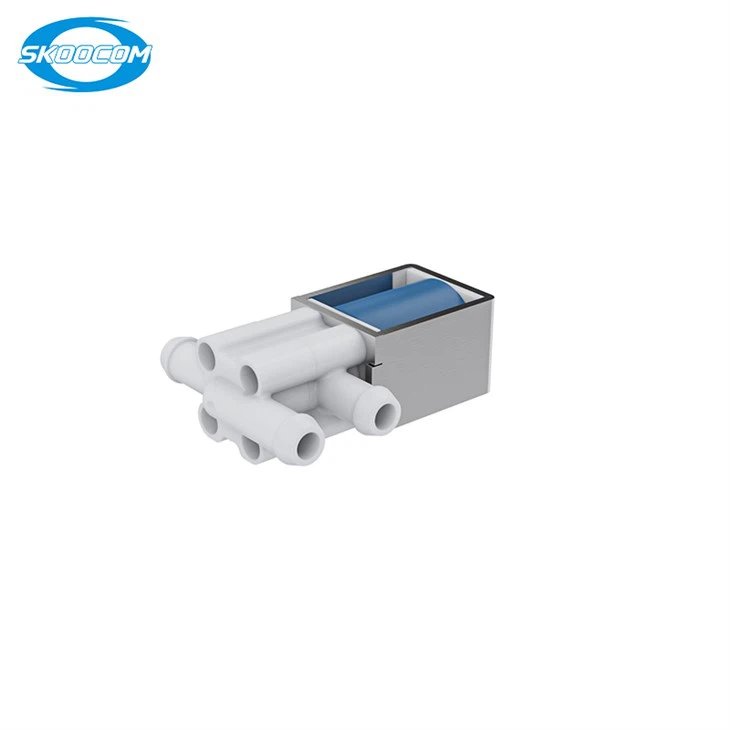
Take a look at our DC 24V Water Valve Mini Micro Electric Solenoid Valve. This valve is designed for low-flow applications and uses less energy compared to larger valves. It's a great option if you're looking to save on energy costs.
2. Optimize Valve Sizing
Proper valve sizing is essential for energy efficiency. An oversized valve can lead to excessive energy consumption, while an undersized valve may not be able to handle the required flow rate. To determine the right size, you need to consider factors such as the flow rate, pressure, and temperature of the water.
Our team of experts can help you select the right valve size for your application. We'll take into account all the relevant factors and recommend the most energy-efficient option. For instance, our Coffee Valve SC0829GW is specifically designed for coffee machines and is sized to provide optimal energy efficiency.
3. Use Energy-Efficient Actuators
The actuator is the part of the valve that controls its opening and closing. Choosing an energy-efficient actuator can significantly reduce the energy consumption of the valve. Look for actuators that use less power, such as those with low-voltage or smart control features.
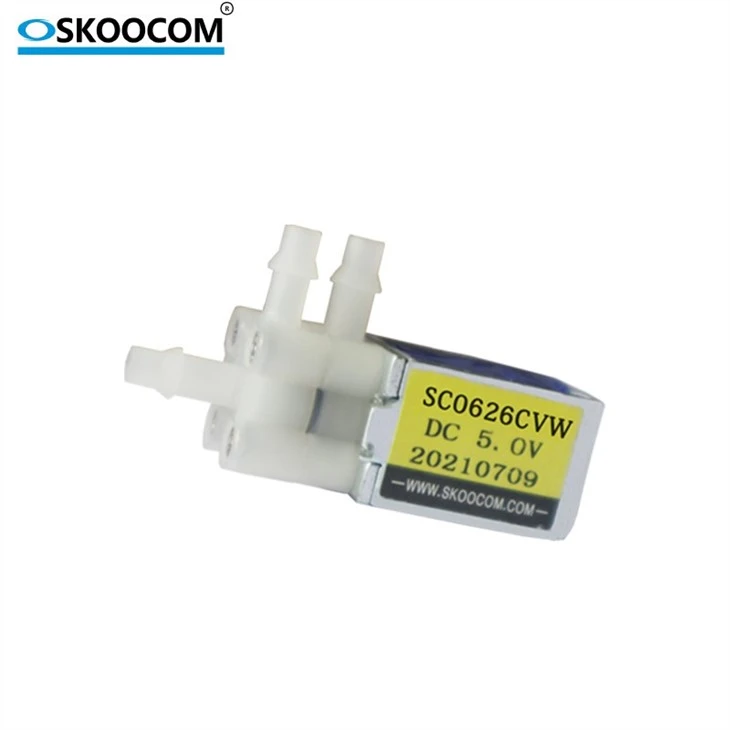
Our Mini Water Solenoid Valve DC5V SC0626CVW comes with an energy-efficient actuator that uses a low voltage of 5V. This not only saves energy but also reduces the overall operating cost of the valve.
4. Implement Smart Control Systems
Smart control systems can help optimize the operation of the electric valve and improve energy efficiency. These systems can monitor the flow rate, pressure, and temperature of the water and adjust the valve accordingly. For example, they can automatically close the valve when the water flow is not needed, or adjust the valve opening to maintain a constant flow rate.
By using a smart control system, you can reduce energy waste and ensure that the valve operates at its most efficient level. Our company offers a range of smart control solutions that can be integrated with our electric valves for water.
5. Regular Maintenance and Inspection
Regular maintenance and inspection are crucial for ensuring the energy efficiency of an electric valve. Over time, valves can wear out or become clogged, which can increase energy consumption. By performing regular maintenance, you can identify and fix any issues before they become major problems.
Make sure to clean the valve regularly and check for any signs of wear or damage. Replace any worn-out parts as soon as possible to keep the valve operating at its best. Our team can provide you with detailed maintenance instructions and offer maintenance services if needed.
6. Consider Valve Materials
The materials used in the construction of the valve can also affect its energy efficiency. For example, valves made of materials with low friction coefficients can reduce the energy required to open and close the valve. Additionally, materials that are resistant to corrosion and wear can extend the lifespan of the valve, reducing the need for frequent replacements.
We offer a variety of valve materials to choose from, including stainless steel, brass, and plastic. Each material has its own advantages and disadvantages, so we can help you select the one that best suits your application and energy efficiency requirements.
7. Educate Your Staff
Finally, it's important to educate your staff about the importance of energy efficiency and how to operate the electric valve properly. Make sure they understand the energy-saving features of the valve and how to use them effectively. By training your staff, you can ensure that the valve is used in the most energy-efficient way possible.
We can provide training sessions for your staff to help them understand the operation and maintenance of our electric valves for water. Our training programs are designed to be practical and easy to understand, so your staff can quickly learn how to optimize the energy efficiency of the valves.
In conclusion, improving the energy efficiency of an electric valve for water is not only beneficial for the environment but also for your bottom line. By following these tips, you can reduce energy consumption, save money, and ensure that your valve operates at its best. If you're interested in learning more about our electric valves for water or need help improving the energy efficiency of your existing valves, please don't hesitate to contact us. We're here to help you make the most of your water valve system.
References
- "Energy Efficiency in Water Systems" - Journal of Water Resources Management
- "Optimizing Valve Performance for Energy Savings" - Proceedings of the International Conference on Fluid Control and Automation