

As a supplier of electric valves for water, ensuring the safety and reliability of our products is of utmost importance. One crucial aspect of this is checking the electrical insulation of these valves. In this blog, I will guide you through the process of how to check the electrical insulation of an electric valve for water, sharing professional insights and practical steps.
Understanding the Importance of Electrical Insulation
Before delving into the inspection process, it's essential to understand why electrical insulation is so critical for electric valves used in water applications. Water is a good conductor of electricity. If the electrical insulation of the valve fails, it can lead to electrical leakage, which not only poses a significant safety hazard to operators but can also damage the valve itself and other connected equipment. Proper insulation ensures that the electrical components of the valve function independently from the water - carrying parts, preventing short - circuits and malfunctions.
Tools Required for Insulation Testing
To check the electrical insulation of an electric valve for water, you will need the following tools:
- Insulation Resistance Tester (Megger): This device is specifically designed to measure the electrical resistance of insulation materials. It applies a high voltage (usually between 500V and 1000V) to the insulation and measures the resulting current to calculate the resistance.
- Safety Equipment: Rubber gloves, safety goggles, and insulated tools to protect yourself from electrical shock during the testing process.
Step - by - Step Guide to Checking Electrical Insulation
Step 1: Preparation
- Isolate the Valve: Before starting any tests, make sure the valve is completely isolated from the power supply. Switch off the circuit breaker or disconnect the power cord to avoid any risk of electrical shock.
- Drain the Water: If the valve is part of a water system, drain all the water from the valve and the connected pipes. Residual water can affect the test results and potentially cause false readings.
- Clean the Valve: Use a dry, clean cloth to wipe the exterior of the valve, especially the electrical connections. Any dirt, moisture, or debris on the surface can affect the insulation performance.
Step 2: Identify the Testing Points
- Terminal Block: Locate the terminal block of the electric valve. This is where the electrical wires are connected to the valve. The terminal block usually contains terminals for power supply, control signals, etc.
- Grounding Point: Find the grounding point of the valve. This is typically a metal connection that is connected to the earth to provide a safe path for electrical current in case of a fault.
Step 3: Set Up the Insulation Resistance Tester
- Select the Appropriate Voltage: Most insulation resistance testers have multiple voltage settings. For an electric valve for water, a voltage setting of 500V is usually sufficient. Select this voltage on the tester.
- Connect the Test Leads: Connect the test leads of the insulation resistance tester to the appropriate terminals. One lead should be connected to one of the electrical terminals of the valve, and the other lead should be connected to the grounding point. Make sure the connections are secure.
Step 4: Conduct the Insulation Resistance Test
- Start the Tester: Press the test button on the insulation resistance tester to start the test. The tester will apply the selected voltage to the insulation and measure the resistance.
- Record the Reading: After a few seconds, the tester will display the insulation resistance value. Record this value. A high insulation resistance value (usually above 1 megohm) indicates good insulation, while a low value may suggest insulation damage.
- Repeat the Test: Repeat the test for all electrical terminals of the valve to ensure comprehensive testing.
Step 5: Interpretation of Results
- Acceptable Values: In general, for electric valves used in water applications, an insulation resistance value of at least 1 megohm is considered acceptable. However, this value may vary depending on the specific requirements of the valve and the application.
- Unacceptable Values: If the measured insulation resistance is below the acceptable level, it indicates that the insulation of the valve is damaged. Possible causes include moisture ingress, physical damage, or aging of the insulation material.
Troubleshooting and Remedial Actions
If the insulation resistance test reveals a problem, the following actions can be taken:
- Dry the Valve: If moisture is suspected to be the cause of the low insulation resistance, dry the valve thoroughly. You can use a heat gun or place the valve in a warm, dry environment for a period of time.
- Inspect for Physical Damage: Check the valve for any visible signs of physical damage, such as cracks in the insulation or loose electrical connections. Repair or replace any damaged parts.
- Replace the Insulation Material: If the insulation material is severely damaged, it may need to be replaced. This should be done by a qualified technician.
Our Product Range
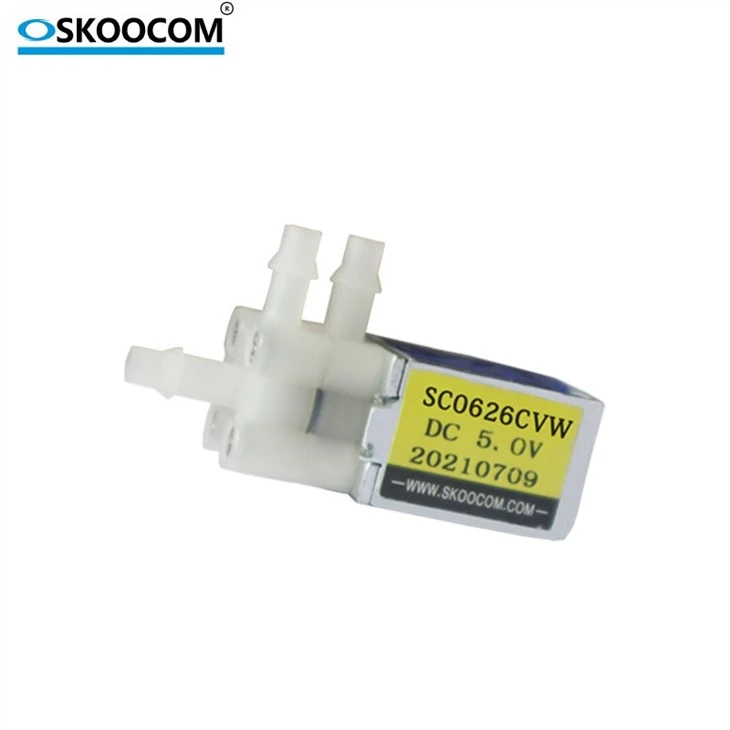
At our company, we offer a wide range of high - quality electric valves for water. For example, the Coffee Valve SC0829GW is specifically designed for coffee machines, providing reliable and precise water control. The 12v dc water solenoid valve is a popular choice for various low - voltage water applications, with excellent performance and durability. And the Mini Water Solenoid Valve DC5V SC0626CVW is suitable for applications where space is limited.

Contact Us for Procurement
We are committed to providing our customers with the best products and services. If you are interested in our electric valves for water or have any questions about electrical insulation testing, please feel free to contact us for procurement discussions. Our team of experts is always ready to assist you in finding the most suitable valve solutions for your needs.
References
- Electrical Equipment Maintenance Handbook, Third Edition.
- National Electrical Code Handbook.