

As an air valve supplier, I've encountered numerous inquiries regarding the differences between pilot - operated air valves and direct - acting air valves. Understanding these differences is crucial for customers to make informed decisions when selecting the most suitable air valve for their applications. In this blog, I'll delve into the characteristics, working principles, advantages, and disadvantages of both types of air valves.
Working Principles
Direct - Acting Air Valves
Direct - acting air valves are relatively simple in design. They operate based on the direct action of an actuator on the valve seat. The actuator, often a solenoid, directly moves the valve disc to open or close the valve. When an electrical current is applied to the solenoid, it creates a magnetic field that pulls the plunger, which is connected to the valve disc. This movement either allows or blocks the flow of air through the valve.
For example, in a small - scale pneumatic system, a direct - acting air valve can be used to control the flow of compressed air to a single actuator. The simplicity of its design makes it easy to install and maintain.
Pilot - Operated Air Valves
Pilot - operated air valves, on the other hand, use a pilot valve to control the main valve. The pilot valve is a small valve that controls the flow of a small amount of air to a piston or diaphragm in the main valve. When the pilot valve is activated, it allows air to enter the control chamber of the main valve, which creates a pressure difference that moves the main valve disc.
This design allows pilot - operated air valves to handle larger flow rates and higher pressures compared to direct - acting air valves. For instance, in industrial applications where large volumes of air need to be controlled, pilot - operated air valves are often the preferred choice.
Advantages and Disadvantages
Direct - Acting Air Valves
Advantages:
- Simple Design: As mentioned earlier, the direct - acting air valve has a straightforward design, which means fewer components and lower chances of mechanical failure. This simplicity also makes it more cost - effective, especially for small - scale applications.
- Fast Response Time: Since the actuator directly controls the valve disc, direct - acting air valves can open and close very quickly. This makes them suitable for applications that require rapid changes in air flow, such as in some automated machinery.
Disadvantages:
- Limited Flow Capacity: Due to their design, direct - acting air valves are typically limited in terms of the maximum flow rate they can handle. They are not suitable for applications that require large volumes of air to be moved.
- High Energy Consumption: To operate the solenoid, a relatively high amount of electrical energy is required, especially when the valve needs to be open for an extended period.
Pilot - Operated Air Valves
Advantages:
- High Flow Capacity: Pilot - operated air valves can handle much larger flow rates compared to direct - acting air valves. This makes them ideal for large - scale industrial applications, such as in manufacturing plants or power generation facilities.
- Low Energy Consumption: Since the pilot valve only needs to control a small amount of air to operate the main valve, the overall energy consumption is relatively low. This can result in significant cost savings over time.
Disadvantages:
- Complex Design: The design of pilot - operated air valves is more complex than that of direct - acting air valves. This means there are more components that can potentially fail, and maintenance can be more challenging.
- Slower Response Time: Due to the additional steps involved in the operation of the pilot valve and the main valve, pilot - operated air valves generally have a slower response time compared to direct - acting air valves.
Applications
Direct - Acting Air Valves
Direct - acting air valves are commonly used in applications where the flow rate requirements are relatively low and fast response times are needed. Some examples include:
- Automotive Industry: In automotive applications, direct - acting air valves are used to control the flow of air in engine management systems, such as in idle speed control or emission control systems.
- Medical Devices: They are also used in medical devices, such as ventilators, where precise control of air flow is required.
Pilot - Operated Air Valves
Pilot - operated air valves are more suitable for applications that require high flow rates and can tolerate a slightly slower response time. Some typical applications include:
- Industrial Automation: In industrial automation systems, pilot - operated air valves are used to control the flow of compressed air to large pneumatic actuators, such as in conveyor systems or robotic arms.
- Chemical and Petrochemical Industries: These valves are also used in the chemical and petrochemical industries to control the flow of gases and liquids in pipelines.
Our Product Offerings
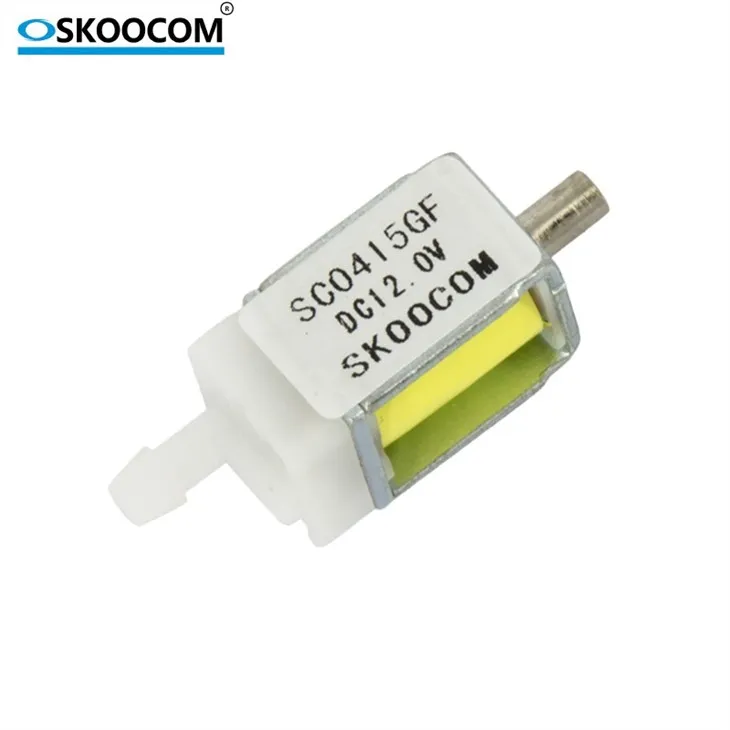
As an air valve supplier, we offer a wide range of both direct - acting and pilot - operated air valves to meet the diverse needs of our customers. Our Solenoid Valve/3 Way Motorised Valve is a high - quality product that combines the reliability of direct - acting valves with advanced features. It is suitable for a variety of applications, from small - scale pneumatic systems to larger industrial setups.
For applications that require even more precise control and higher flow rates, our Micro Solenoid Valve and Air Jetronic Auxiliary Air Valve One - way SC0518GF are excellent choices. These valves are designed to provide optimal performance and durability in demanding environments.
Conclusion
In conclusion, the choice between a pilot - operated air valve and a direct - acting air valve depends on the specific requirements of the application. Direct - acting air valves are best suited for applications that require fast response times and low flow rates, while pilot - operated air valves are more appropriate for applications that demand high flow rates and can tolerate a slower response time.
If you are in need of air valves for your project, we invite you to contact us for a detailed discussion. Our team of experts can help you select the most suitable air valve for your specific needs and provide you with comprehensive technical support.

References
- "Pneumatic Systems and Components" by John Doe
- "Industrial Valve Handbook" by Jane Smith