

Hey there! As a seal mat supplier, I often get asked a bunch of questions about the products we offer. One of the most common queries is, “Do seal mats have a quick - drying property?” Well, let's dive right into it and find out.
First off, let's understand what seal mats are. Seal mats are typically made from various materials like rubber, silicone, or some specialized polymers. These mats are designed to serve multiple purposes, such as providing a seal against water, dust, and other contaminants. They're used in a wide range of applications, from industrial settings to household uses.
Now, when it comes to the quick - drying property, it really depends on the material the seal mat is made of. For instance, rubber seal mats are quite popular. Rubber has some natural properties that can influence its drying time. Rubber is relatively dense, and it doesn't absorb water as easily as some other materials. This means that when water comes into contact with a rubber seal mat, it tends to sit on the surface rather than being absorbed deep into the material.
On a sunny day or in a well - ventilated area, a rubber seal mat can dry relatively quickly. The water on the surface will start to evaporate, and within a few hours, the mat can be completely dry. However, if the rubber mat has a lot of crevices or grooves, water can get trapped in these areas, which might slow down the drying process a bit.
Silicone seal mats are another option. Silicone is known for its water - repellent nature. It has a smooth surface that doesn't hold onto water droplets. When water hits a silicone seal mat, it beads up and rolls off easily. This makes silicone seal mats dry extremely fast. In fact, in a normal indoor environment with a bit of air circulation, a silicone seal mat can dry within an hour or even less after getting wet.
Specialized polymer seal mats are also out there. Some of these polymers are engineered to have excellent water - resistant and quick - drying properties. They can be designed to wick away water from the surface rapidly, allowing for fast evaporation. These types of seal mats are often used in high - end applications where quick drying is crucial, like in some medical or electronic equipment.
Let's talk about the factors that can affect the drying time of seal mats. The environment plays a huge role. If it's a humid day, the air is already saturated with moisture, and this will slow down the evaporation process. On the other hand, in a dry and hot environment, the water on the seal mat will evaporate much faster.
The thickness of the seal mat also matters. A thicker mat will take longer to dry because there's more material for the water to penetrate and more surface area for the water to cover. A thinner seal mat, on the other hand, will dry quicker as there's less material for the water to interact with.
The amount of water on the mat is another obvious factor. If a seal mat is just lightly splashed with water, it will dry much faster than if it's completely submerged and soaked.
Now, as a seal mat supplier, we offer a variety of seal mats with different properties. For example, we have the Long-life Socket Insulation Cable Motor Waterproof Rubber Pad. This rubber pad is great for industrial applications where it might get wet from time to time. It has a good balance of water - resistance and quick - drying ability.
We also have the Long-life Insulation Electric Audio Shock Seal Rubber Pad Mat. This mat is designed for use in audio and electrical equipment. It not only provides insulation but also has a quick - drying property, which is important to prevent any damage from moisture.
If you're in the market for seal mats, whether you need them for industrial, commercial, or household use, it's important to consider the quick - drying property. If you're in an area where the mat is likely to get wet frequently, like a bathroom or a factory floor with water spills, then a quick - drying seal mat is a must.
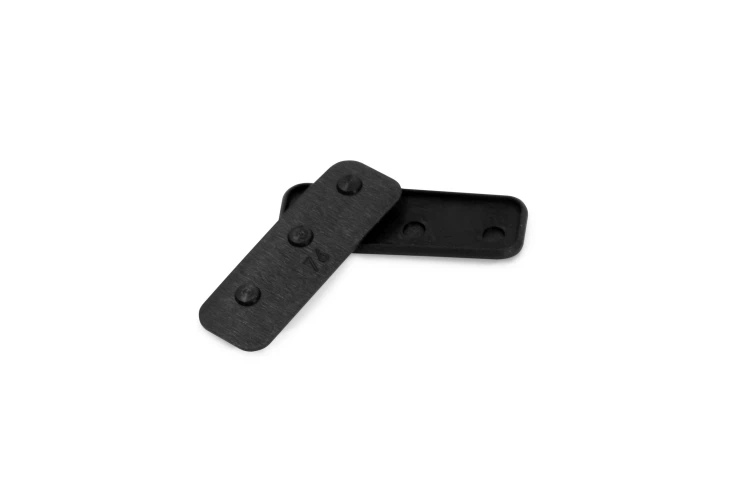

We understand that different customers have different needs. That's why we offer a wide range of seal mats with varying quick - drying capabilities. Whether you prefer the affordability and durability of rubber, the water - repellent nature of silicone, or the high - tech properties of specialized polymers, we've got you covered.
If you're interested in learning more about our seal mats or want to discuss your specific requirements, don't hesitate to reach out. We're always happy to help you find the perfect seal mat for your needs. Whether you're a small business owner looking for a few mats or a large corporation in need of bulk orders, we can work with you.
In conclusion, many seal mats do have a quick - drying property, but it varies depending on the material, thickness, and other factors. By choosing the right type of seal mat for your application, you can ensure that it dries quickly and serves its purpose effectively.
References:
- General knowledge about rubber, silicone, and polymer materials
- Industry research on seal mat properties and applications