

Can a Micro Peristaltic Pump be Used in a Vacuum Environment?
As a supplier of micro peristaltic pumps, I often receive questions from customers about the suitability of our pumps in various environments. One of the most common inquiries is whether a micro peristaltic pump can be used in a vacuum environment. In this blog post, I will explore this topic in detail, providing insights into the capabilities and limitations of micro peristaltic pumps in vacuum conditions.
Understanding Micro Peristaltic Pumps
Before delving into the use of micro peristaltic pumps in a vacuum environment, it's essential to understand how these pumps work. A micro peristaltic pump operates on the principle of peristalsis, which is the rhythmic contraction and relaxation of muscles to move fluid through a tube. In a micro peristaltic pump, a rotor with rollers compresses a flexible tube, creating a series of contractions that push the fluid through the tube.
The design of micro peristaltic pumps offers several advantages, including precise fluid control, contamination-free pumping, and the ability to handle a wide range of fluids. These pumps are commonly used in applications such as medical devices, laboratory equipment, and industrial processes where accurate fluid delivery is crucial.
Challenges of Using Micro Peristaltic Pumps in a Vacuum Environment
While micro peristaltic pumps are versatile and reliable, using them in a vacuum environment presents several challenges. One of the primary challenges is the effect of vacuum on the flexible tube. In a vacuum, the pressure outside the tube is lower than the pressure inside, which can cause the tube to collapse or deform. This can disrupt the peristaltic action and reduce the pump's efficiency or even cause it to fail.
Another challenge is the potential for air bubbles to form in the fluid. In a vacuum environment, the reduced pressure can cause dissolved gases in the fluid to come out of solution, forming bubbles. These bubbles can interfere with the peristaltic action and lead to inconsistent fluid delivery.
Factors Affecting the Performance of Micro Peristaltic Pumps in a Vacuum
Several factors can affect the performance of micro peristaltic pumps in a vacuum environment. These factors include:
- Tube Material: The choice of tube material is crucial when using a micro peristaltic pump in a vacuum. Some tube materials are more resistant to collapse and deformation under vacuum conditions than others. For example, silicone tubing is often a good choice for vacuum applications because it is flexible, durable, and resistant to chemical attack.
- Tube Wall Thickness: The wall thickness of the tube can also affect its performance in a vacuum. Thicker walls are generally more resistant to collapse, but they can also increase the resistance to fluid flow, reducing the pump's efficiency.
- Vacuum Level: The level of vacuum in the environment can also impact the performance of the pump. Higher vacuum levels can increase the risk of tube collapse and air bubble formation, while lower vacuum levels may have less of an impact.
- Fluid Properties: The properties of the fluid being pumped, such as viscosity and surface tension, can also affect the performance of the pump in a vacuum. High-viscosity fluids may require more force to pump, while fluids with low surface tension may be more prone to air bubble formation.
Strategies for Using Micro Peristaltic Pumps in a Vacuum Environment
Despite the challenges, there are several strategies that can be employed to use micro peristaltic pumps effectively in a vacuum environment. These strategies include:
- Selecting the Right Tube Material: As mentioned earlier, choosing the right tube material is crucial for ensuring the pump's performance in a vacuum. Silicone tubing is a popular choice, but other materials such as fluoropolymer tubing may also be suitable depending on the specific application.
- Using a Reinforced Tube: In some cases, using a reinforced tube can help prevent collapse and deformation under vacuum conditions. Reinforced tubes are typically made with a layer of braided or spiral-wound fibers that provide additional strength and support.
- Preventing Air Bubble Formation: To prevent air bubble formation, it's important to ensure that the fluid is degassed before pumping. This can be done by using a degassing system or by allowing the fluid to sit in a vacuum chamber for a period of time to allow the dissolved gases to escape.
- Monitoring and Adjusting the Pump: Regular monitoring of the pump's performance is essential to ensure that it is operating effectively in a vacuum environment. If the pump's performance begins to decline, adjustments may need to be made to the tube material, tube wall thickness, or other parameters.
Our Micro Peristaltic Pump Products for Vacuum Applications
At our company, we offer a range of micro peristaltic pumps that are suitable for use in vacuum environments. Our DC Micro Peristaltic Pump is a compact and reliable pump that is designed for precise fluid control. It features a high-quality motor and a durable tube that is resistant to collapse and deformation under vacuum conditions.
Our Micro Peristaltic Water Pump 3V is another popular option for vacuum applications. This pump is powered by a 3V DC motor and is capable of delivering a precise flow rate of water or other fluids. It is ideal for use in small-scale laboratory and medical applications.
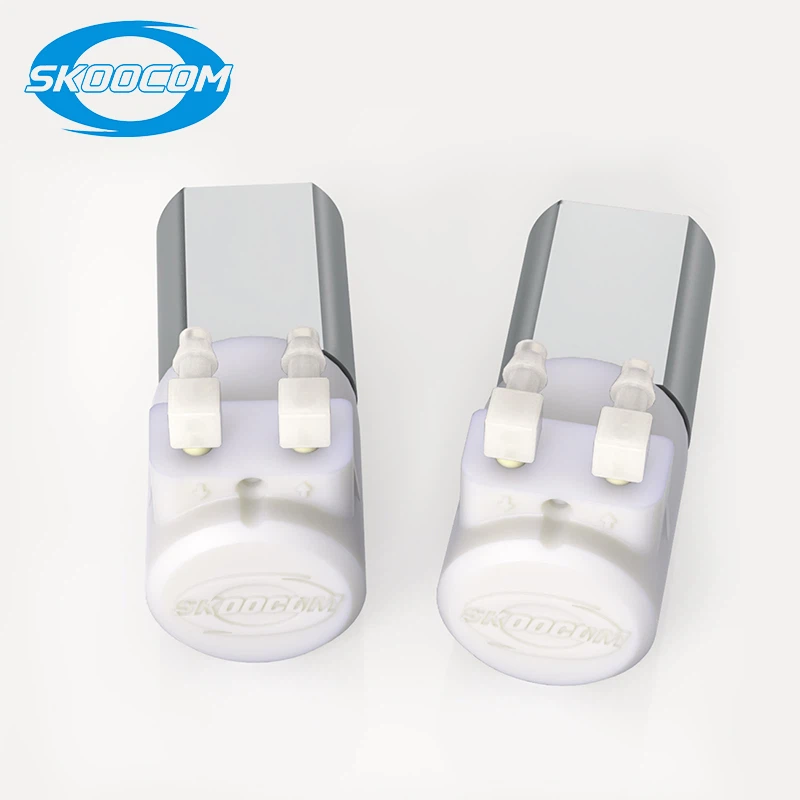
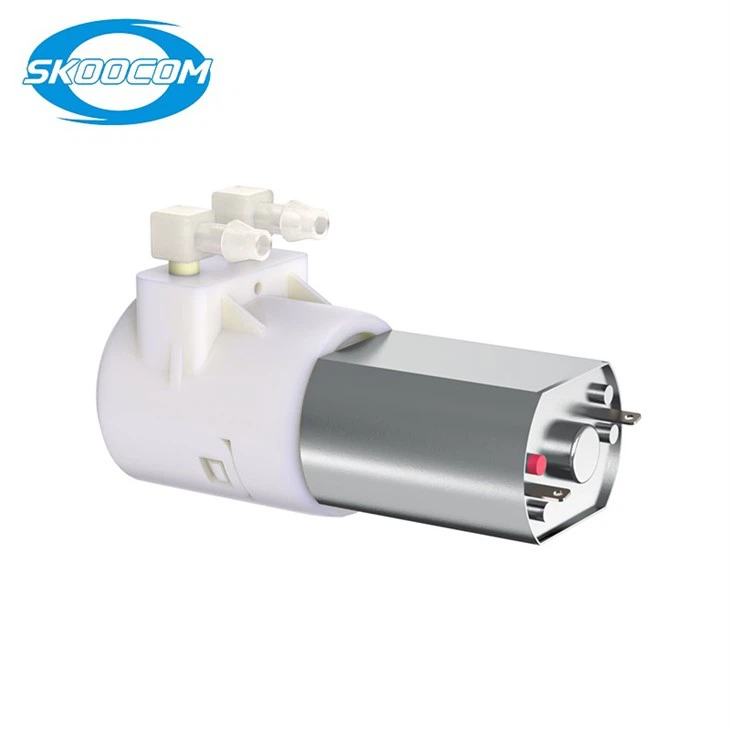
For applications that require a low flow rate, our Mini Peristaltic Pump DC 3V 5 V Low Flow Water Micro Hose Pump is a great choice. This pump is designed to deliver a consistent flow rate of fluid at a low pressure, making it suitable for use in vacuum environments where precise fluid control is essential.
Conclusion
In conclusion, while using a micro peristaltic pump in a vacuum environment presents several challenges, it is possible to overcome these challenges by selecting the right tube material, using a reinforced tube, preventing air bubble formation, and monitoring and adjusting the pump's performance. At our company, we offer a range of micro peristaltic pumps that are suitable for use in vacuum environments, and we are committed to providing our customers with high-quality products and excellent customer service.
If you are interested in learning more about our micro peristaltic pumps or have any questions about using them in a vacuum environment, please do not hesitate to contact us. We would be happy to discuss your specific requirements and help you find the right solution for your application.
References
- "Peristaltic Pumps: Principles and Applications." Laboratory Equipment, 2023.
- "Vacuum Technology Handbook." John Wiley & Sons, 2022.
- "Fluid Dynamics in Peristaltic Pumps." Journal of Fluid Mechanics, 2021.