

Are cable pads resistant to salt spray? This is a question that often comes up in various industries, especially those operating in coastal areas or environments with high salt content in the air. As a cable pad supplier, I understand the importance of this characteristic for the performance and longevity of cable pads. In this blog post, I will delve into the topic of whether cable pads are resistant to salt spray, exploring the factors that influence their resistance, and discussing the implications for different applications.
Understanding Salt Spray and Its Effects
Salt spray is a natural phenomenon that occurs when saltwater is atomized into the air, typically in coastal regions or areas near large bodies of saltwater. The salt particles in the spray can settle on surfaces, including cable pads, and cause corrosion and degradation over time. The main components of salt spray are sodium chloride (NaCl), which is the primary salt in seawater, along with other trace elements such as magnesium, calcium, and potassium.
When salt spray comes into contact with cable pads, several processes can occur. Firstly, the salt can act as an electrolyte, facilitating the flow of electrical current and accelerating the corrosion of any metal components in or around the cable pad. Secondly, the salt can absorb moisture from the air, creating a moist environment that promotes the growth of bacteria and fungi, which can further damage the cable pad material. Additionally, the abrasive nature of salt particles can cause physical wear and tear on the surface of the cable pad, reducing its mechanical strength and integrity.
Factors Affecting the Salt Spray Resistance of Cable Pads
The salt spray resistance of cable pads depends on several factors, including the material composition, manufacturing process, and surface treatment. Let's take a closer look at each of these factors:
Material Composition
The choice of material is crucial in determining the salt spray resistance of cable pads. Different materials have varying degrees of resistance to corrosion and degradation caused by salt spray. Some common materials used for cable pads include rubber, silicone, and plastics.
Rubber is a popular choice for cable pads due to its flexibility, durability, and good insulation properties. Natural rubber, however, is relatively susceptible to salt spray corrosion, as it contains double bonds in its molecular structure that can react with the salt and oxygen in the air. Synthetic rubbers, such as neoprene and EPDM (ethylene propylene diene monomer), offer better salt spray resistance due to their more stable molecular structures. Neoprene, in particular, has excellent resistance to oil, chemicals, and salt spray, making it suitable for applications in harsh environments.
Silicone is another material known for its high salt spray resistance. Silicone rubber has a unique molecular structure that provides excellent resistance to oxidation, UV radiation, and temperature extremes. It is also hydrophobic, meaning it repels water and prevents the formation of a moist environment that could promote corrosion. Silicone cable pads are often used in outdoor and marine applications where salt spray resistance is essential.
Plastics, such as polyvinyl chloride (PVC) and polyethylene (PE), can also be used for cable pads. PVC is a versatile material that offers good mechanical strength, chemical resistance, and flame retardancy. However, its salt spray resistance may vary depending on the specific formulation and additives used. PE is a lightweight and flexible material with good resistance to moisture and chemicals. It is commonly used in low-cost cable pads, but its salt spray resistance may not be as high as that of rubber or silicone.
Manufacturing Process
The manufacturing process can also affect the salt spray resistance of cable pads. Proper mixing, curing, and molding techniques are essential to ensure the uniformity and integrity of the material. Any defects or inconsistencies in the manufacturing process can create weak points in the cable pad, making it more susceptible to salt spray corrosion.
For example, if the rubber compound is not mixed thoroughly, it may result in uneven distribution of additives and fillers, which can affect the overall performance of the cable pad. Similarly, if the curing process is not carried out at the correct temperature and time, the rubber may not fully crosslink, leading to reduced mechanical strength and salt spray resistance.
Surface Treatment
Surface treatment can significantly enhance the salt spray resistance of cable pads. Coating the cable pad with a protective layer can provide an additional barrier against salt spray and other environmental factors. Some common surface treatments include painting, powder coating, and galvanizing.
Painting the cable pad with a corrosion-resistant paint can provide a physical barrier that prevents salt spray from coming into contact with the underlying material. The paint should be chosen based on its compatibility with the cable pad material and its ability to withstand the specific environmental conditions. Powder coating is another option that offers a durable and uniform finish. It involves applying a dry powder to the surface of the cable pad and then heating it to melt and fuse the powder into a solid coating. Galvanizing is a process of coating the cable pad with a layer of zinc, which provides sacrificial protection against corrosion. Zinc is more reactive than the underlying metal, so it corrodes first, protecting the cable pad from damage.
Applications and Implications
The salt spray resistance of cable pads has significant implications for various applications. In coastal areas, where salt spray is prevalent, cable pads used in electrical systems, telecommunications networks, and marine equipment need to have high salt spray resistance to ensure reliable operation and long service life.
For example, in electrical substations located near the coast, cable pads are used to insulate and support electrical cables. If the cable pads are not resistant to salt spray, they can corrode and degrade over time, leading to electrical faults and safety hazards. Similarly, in telecommunications networks, cable pads are used to protect and organize cables. Salt spray corrosion can damage the cable pads, causing signal interference and downtime.
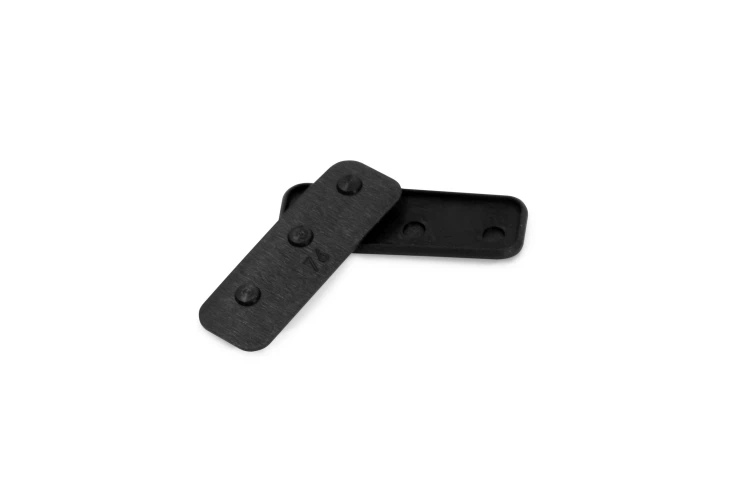

In the marine industry, cable pads are used in ships, offshore platforms, and other marine structures. These applications require cable pads that can withstand the harsh marine environment, including salt spray, high humidity, and extreme temperatures. Salt spray resistance is essential to prevent corrosion of the cable pads and ensure the integrity of the electrical and communication systems on board.
Our Products and Their Salt Spray Resistance
As a cable pad supplier, we offer a range of products with excellent salt spray resistance. Our Long-life Insulation Electric Audio Shock Seal Rubber Pad Mat is made from high-quality synthetic rubber, which provides superior resistance to salt spray, oil, and chemicals. The rubber compound is carefully formulated and manufactured using advanced techniques to ensure uniform quality and performance. The pad also features a special surface treatment that enhances its salt spray resistance and durability.
Another product in our portfolio is the Long-life Socket Insulation Cable Motor Waterproof Rubber Pad. This pad is designed for use in electrical sockets and cable connections, providing insulation and protection against moisture and salt spray. It is made from silicone rubber, which has excellent salt spray resistance and high-temperature stability. The pad is easy to install and provides a reliable seal to prevent the ingress of salt spray and other contaminants.
Conclusion
In conclusion, the salt spray resistance of cable pads is an important consideration for applications in coastal areas and other environments with high salt content in the air. The material composition, manufacturing process, and surface treatment all play a role in determining the salt spray resistance of cable pads. By choosing the right material, using proper manufacturing techniques, and applying appropriate surface treatments, cable pads can be made highly resistant to salt spray, ensuring reliable operation and long service life.
If you are looking for cable pads with excellent salt spray resistance, we invite you to contact us for more information and to discuss your specific requirements. Our team of experts is ready to assist you in selecting the right product for your application and providing you with the best possible solution.
References
- ASTM B117 - Standard Practice for Operating Salt Spray (Fog) Apparatus
- ISO 9227 - Corrosion tests in artificial atmospheres -- Salt spray tests
- NACE International - Corrosion Society Publications and Standards