

The lifespan of a water pump is a crucial consideration for both consumers and suppliers. As a water pump supplier, I understand the importance of providing accurate information about the lifespan of our products to help customers make informed decisions. In this blog, I will explore what factors influence the lifespan of a water pump, typical lifespans for different types of water pumps, and how to extend the life of your water pump.
Factors Influencing the Lifespan of a Water Pump
Several factors can affect how long a water pump will last. Understanding these factors can help you choose the right pump for your needs and take steps to maximize its lifespan.
Quality of Materials and Manufacturing
The quality of materials used in the construction of a water pump and the manufacturing processes employed play a significant role in its durability. Pumps made from high - quality materials such as stainless steel, cast iron, or other corrosion - resistant alloys are more likely to withstand wear and tear over time. For example, a water pump with a stainless - steel casing will be less prone to rust and corrosion compared to one made from a lower - grade metal.
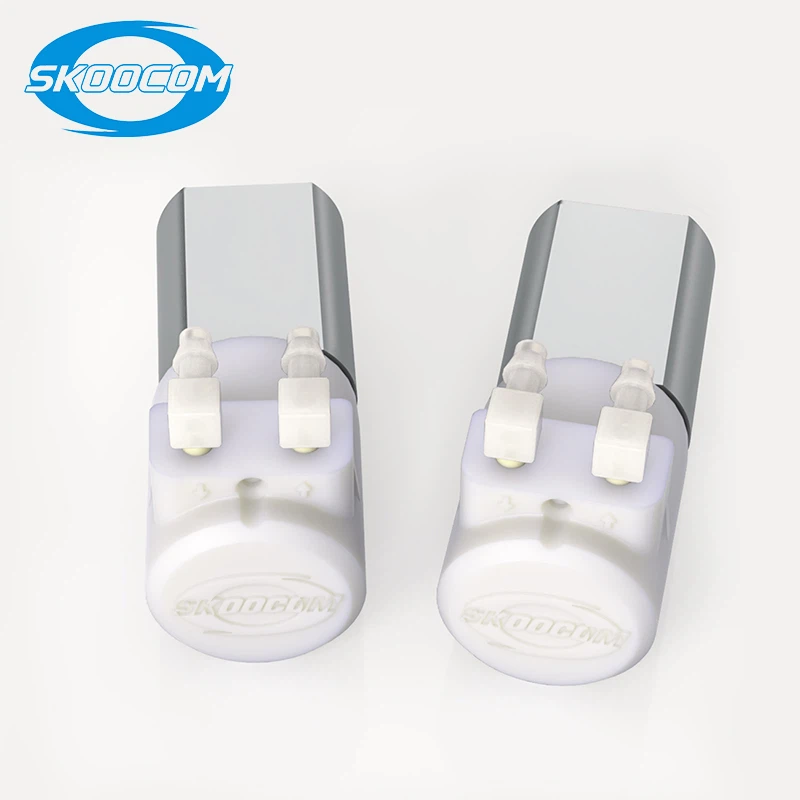
Moreover, precision manufacturing techniques ensure that components fit together properly, reducing the risk of leaks and premature failure. At our company, we use industry - leading manufacturing processes and high - quality materials for our pumps, like the DC Micro Peristaltic Pump, which is designed with precision to deliver reliable performance over an extended period.
Usage Conditions
The environment in which a water pump operates can have a substantial impact on its lifespan. If the pump is used in a harsh environment with high levels of sediment, chemicals, or abrasive particles in the water, it will experience more wear on its internal components. For instance, a pump used in a well with a high sediment content may have its impeller and seals damaged more quickly.
Temperature also matters. Extreme temperatures, whether too hot or too cold, can affect the performance and lifespan of a pump. High temperatures can cause the pump's components to expand, leading to leaks and other issues, while freezing temperatures can damage the pump's housing and internal parts.
Maintenance and Care
Regular maintenance is essential for ensuring the long - term performance of a water pump. This includes tasks such as checking and replacing worn seals, lubricating moving parts, and cleaning the pump regularly to prevent the buildup of debris. A well - maintained pump is less likely to experience breakdowns and will generally have a longer lifespan.
Failure to perform routine maintenance can lead to minor issues escalating into major problems. For example, a small leak in the pump over time can cause water damage to other components, leading to a complete pump failure.
Operating Time and Load
The amount of time a pump operates and the load it is subjected to also affect its lifespan. Pumps that are run continuously or at high loads for extended periods will experience more stress on their components. For example, a water pump that is used to supply water to a large commercial building with high demand will likely have a shorter lifespan compared to one used for a small residential application.
Typical Lifespans of Different Water Pumps
The lifespan of a water pump can vary widely depending on the type of pump and its application. Here are some general estimates for different types of water pumps:
Submersible Pumps
Submersible pumps are commonly used in wells and other applications where the pump needs to be submerged in water. On average, a well - maintained submersible pump can last between 8 to 15 years. However, if the pump is used in a harsh environment or is not properly maintained, its lifespan may be significantly shorter.
Centrifugal Pumps
Centrifugal pumps are widely used in industrial and commercial applications for moving large volumes of water. These pumps typically have a lifespan of 10 to 20 years, depending on the quality of the pump, usage conditions, and maintenance. High - quality centrifugal pumps used in industrial settings with regular maintenance can last even longer.
Diaphragm Pumps
Diaphragm pumps are often used for applications where a precise flow rate is required, such as in chemical dosing systems. The lifespan of a diaphragm pump can range from 5 to 10 years. The diaphragm, a key component of these pumps, is subject to wear and tear and may need to be replaced periodically.
DC Micro Peristaltic Pump
DC micro peristaltic pumps are used in a variety of applications, including medical devices and laboratory equipment. These pumps are known for their precision and reliability. With proper use and maintenance, they can last between 2 to 5 years. However, the lifespan can be affected by factors such as the frequency of use and the type of fluid being pumped.
SKOOCOM MINI WATER LIQUID PUMP
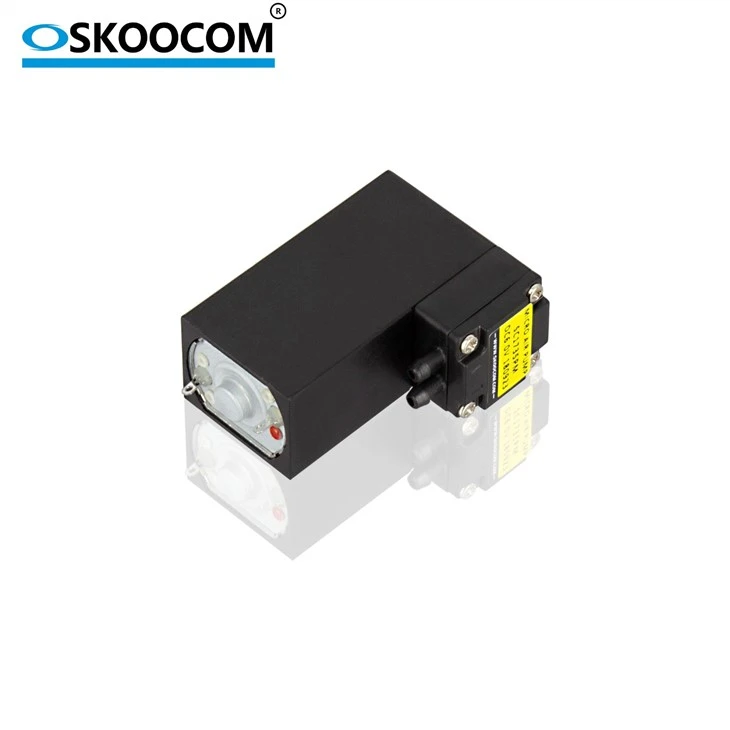
The SKOOCOM MINI WATER LIQUID PUMP is a compact pump suitable for small - scale applications such as aquariums and small water features. These pumps typically have a lifespan of 1 to 3 years, depending on usage and maintenance. Their small size and relatively lower cost make them a popular choice for hobbyists, but they may need to be replaced more frequently compared to larger, industrial - grade pumps.
Electric Water Pump Dc 6v For Wireless Vacuum Cleaner
This type of pump is specifically designed for use in wireless vacuum cleaners. Given the relatively light - duty and intermittent use in this application, it can last between 2 to 4 years. However, if the pump is used in a vacuum cleaner that is used very frequently or in a demanding cleaning environment, its lifespan may be reduced.
How to Extend the Lifespan of Your Water Pump
As a water pump supplier, I want to share some tips on how you can extend the lifespan of your water pump:
Choose the Right Pump
Select a pump that is suitable for your specific application. Consider factors such as the flow rate, pressure requirements, and the type of fluid you will be pumping. Using a pump that is under - sized or over - sized for your needs can lead to premature wear and failure.
Follow Manufacturer's Guidelines
Read and follow the manufacturer's instructions for installation, operation, and maintenance. These guidelines are designed to ensure the optimal performance and longevity of the pump. For example, the manufacturer may recommend a specific type of lubricant or a certain maintenance schedule.
Regular Maintenance
Perform regular maintenance tasks such as checking the pump for leaks, inspecting and replacing worn parts, and cleaning the pump and its components. This can prevent small issues from becoming major problems and extend the life of the pump.
Monitor the Pump's Performance
Keep an eye on the pump's performance, including factors such as flow rate, pressure, and power consumption. Any sudden changes in these parameters could indicate a problem with the pump. Early detection of issues can allow you to take corrective action before the pump fails completely.
Conclusion
The lifespan of a water pump is influenced by a variety of factors, including the quality of materials, usage conditions, maintenance, and operating time. By understanding these factors and taking appropriate steps to extend the life of your pump, you can ensure that your water pump provides reliable performance for many years.
As a water pump supplier, we are committed to providing high - quality pumps and accurate information to our customers. If you have any questions about the lifespan of our water pumps or need help choosing the right pump for your application, please feel free to contact us for procurement and further discussion. We look forward to working with you to meet your water - pumping needs.
References
- "Water Pump Handbook" by Igor J. Karassik et al.
- Manufacturer's manuals for various water pumps.