

What is the density of a shock pad? This is a question that many customers often ask me as a shock pad supplier. In this blog, I will delve into the concept of shock pad density, its importance, and how it relates to the performance of shock pads.
Understanding Density
Density is a fundamental physical property that describes the mass per unit volume of a material. In the context of shock pads, density is typically measured in grams per cubic centimeter (g/cm³) or kilograms per cubic meter (kg/m³). It provides a quantitative measure of how much matter is packed into a given volume of the shock pad.
The density of a shock pad is determined by several factors, including the material composition, manufacturing process, and the presence of any additives or fillers. Different types of shock pads can have widely varying densities, depending on their intended applications and performance requirements.
Importance of Density in Shock Pads
The density of a shock pad plays a crucial role in determining its performance characteristics. Here are some key aspects where density has a significant impact:
1. Shock Absorption
One of the primary functions of a shock pad is to absorb and dissipate energy when subjected to impact or vibration. A shock pad with a higher density generally has better shock - absorbing capabilities. This is because a denser material has more mass per unit volume, which allows it to deform and absorb energy more effectively. For example, in applications where heavy machinery generates high - intensity vibrations, a high - density shock pad can provide better protection against damage to the equipment and its surroundings.
2. Durability
Density is also closely related to the durability of a shock pad. Higher - density shock pads tend to be more resistant to wear and tear. They can withstand repeated impacts and pressure without losing their shape or performance over time. This makes them a preferred choice for long - term use in industrial settings, sports facilities, and other high - traffic areas.
3. Load - Bearing Capacity
The load - bearing capacity of a shock pad is another important factor influenced by density. A shock pad with a higher density can support greater loads without excessive deformation. This is essential in applications where the shock pad needs to bear the weight of heavy objects or equipment, such as in warehouses or automotive manufacturing plants.
Density of Different Types of Shock Pads
There are various types of shock pads available in the market, each with its own typical density range.
Rubber Shock Pads
Rubber is a commonly used material for shock pads due to its excellent elasticity and shock - absorbing properties. The density of rubber shock pads can vary depending on the type of rubber and the manufacturing process. Natural rubber shock pads typically have a density ranging from 0.9 to 1.2 g/cm³, while synthetic rubber shock pads can have densities between 1.1 and 1.5 g/cm³. For instance, neoprene rubber shock pads, which are known for their resistance to oil and chemicals, usually have a density around 1.2 - 1.3 g/cm³.
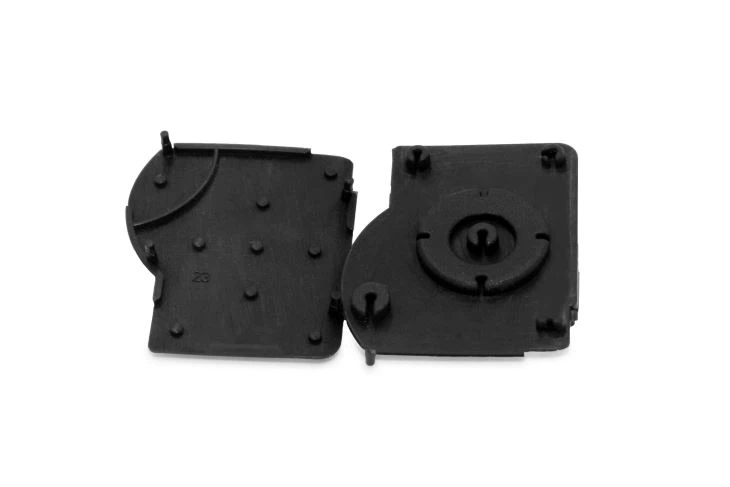
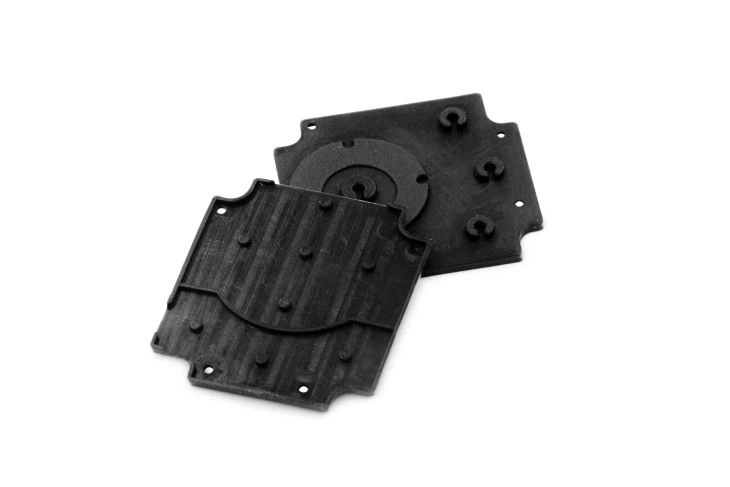
Foam Shock Pads
Foam shock pads are lightweight and often used in applications where weight is a concern. The density of foam shock pads is generally much lower than that of rubber shock pads. Polyurethane foam shock pads, for example, can have densities ranging from 0.02 to 0.1 g/cm³. The lower density makes them suitable for applications such as packaging, where they can provide cushioning while minimizing the overall weight of the package.
Cork Shock Pads
Cork is a natural material that is also used to make shock pads. Cork shock pads have a density typically in the range of 0.15 to 0.3 g/cm³. They are known for their good insulation properties and are often used in applications where both shock absorption and insulation are required, such as in electrical equipment.
Measuring the Density of a Shock Pad
Measuring the density of a shock pad is a relatively straightforward process. First, you need to measure the mass of the shock pad using a scale. Then, measure the volume of the shock pad. For regular - shaped shock pads (such as rectangular or cylindrical), you can calculate the volume using the appropriate geometric formula. For irregular - shaped shock pads, you can use the water displacement method. Once you have the mass and volume, you can calculate the density by dividing the mass by the volume.
Selecting the Right Density for Your Application
When choosing a shock pad, it is essential to select the right density based on your specific application requirements. If you need a shock pad for a high - impact environment, such as a construction site or a heavy - duty industrial setting, a high - density shock pad is likely the best choice. On the other hand, if weight is a major concern or you need a shock pad for a low - impact application, a low - density shock pad may be more suitable.
As a shock pad supplier, I offer a wide range of shock pads with different densities to meet the diverse needs of my customers. For example, we have the Long - life Insulation Electric Audio Shock Seal Rubber Pad Mat, which is made of high - quality rubber and has an appropriate density for electrical and audio applications. It provides excellent shock absorption and insulation properties. Another product is the Long - life Socket Insulation Cable Motor Waterproof Rubber Pad, which is designed to withstand the harsh conditions in electrical and motor applications with its well - balanced density for durability and shock absorption.
Conclusion
In conclusion, the density of a shock pad is a critical factor that affects its performance, durability, and suitability for different applications. Understanding the concept of density and how it relates to the specific requirements of your project is essential for making an informed decision when purchasing a shock pad.
If you are in the market for shock pads and need help selecting the right density for your application, I would be more than happy to assist you. Feel free to contact me to discuss your requirements and start a procurement negotiation. I am committed to providing high - quality shock pads that meet your exact needs.
References
- Callister, W. D., & Rethwisch, D. G. (2011). Materials Science and Engineering: An Introduction. Wiley.
- Ashby, M. F. (2011). Materials Selection in Mechanical Design. Butterworth - Heinemann.