

Hey there! As a water valve supplier, I've seen all sorts of questions from customers about different types of valves. One common query is about the differences between hot - water valves and cold - water valves. So, let's dive right in and break it down.
Material Composition
First off, the materials used in hot - water valves and cold - water valves are quite different. Cold - water valves are usually made from materials that can handle normal water temperatures. These materials are often more cost - effective because they don't need to withstand high heat. For example, some cold - water valves are made from basic plastics or cheaper metals like brass. Brass is a popular choice as it's corrosion - resistant and relatively inexpensive.

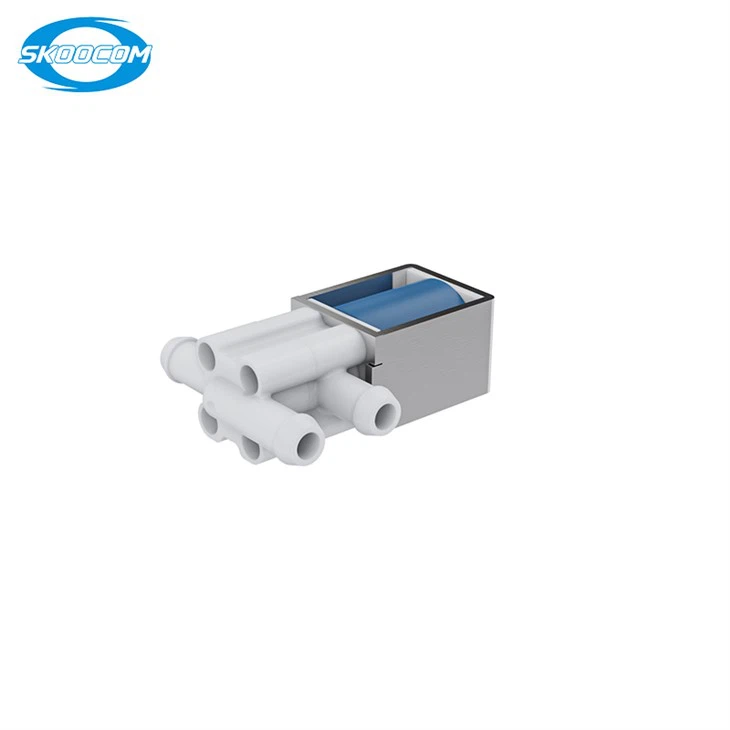
On the other hand, hot - water valves need to be made from materials that can handle high temperatures without deforming or losing their functionality. Materials like stainless steel are commonly used in hot - water valves. Stainless steel can withstand the heat without warping, and it also resists corrosion well. Some high - end hot - water valves might even use special alloys that are specifically designed to handle extreme heat.
Sealing Performance
Sealing is crucial for both hot - water and cold - water valves, but the requirements are different. Cold - water valves don't have to deal with the expansion and contraction caused by high temperatures. So, their seals can be made from softer materials like rubber. Rubber seals work great in cold - water applications as they can create a tight seal and prevent leaks.
However, hot - water valves need seals that can handle the heat. The high temperatures can cause rubber to harden and lose its elasticity over time. That's why hot - water valves often use seals made from materials like PTFE (polytetrafluoroethylene). PTFE can withstand high temperatures and still maintain its sealing properties. It's also resistant to chemicals, which is an added bonus in some hot - water systems where chemicals might be present.
Temperature Resistance
This is the most obvious difference. Cold - water valves are designed to work in a relatively narrow temperature range, usually from around 0°C to 30°C. They're not built to handle the high temperatures that hot - water valves can. If you try to use a cold - water valve in a hot - water system, it might fail quickly. The materials could warp, the seals could break, and you could end up with leaks.
Hot - water valves, on the other hand, are designed to handle temperatures much higher. They can typically withstand temperatures up to 80°C or even higher in some industrial applications. This high - temperature resistance is essential to ensure the valve functions properly and safely in hot - water systems.
Pressure Handling
Pressure is another factor where hot - water and cold - water valves differ. In cold - water systems, the pressure is usually lower. Cold - water valves are designed to handle these lower pressures. They might have a simpler design and fewer safety features related to high pressure.
In hot - water systems, the pressure can be higher due to the expansion of water when it's heated. Hot - water valves need to be able to handle these increased pressures. They often have stronger bodies and more robust internal components to prevent bursting or failure under high pressure. Some hot - water valves also come with pressure - relief features to ensure the safety of the system.
Application Scenarios
Cold - water valves are commonly used in everyday applications like faucets in your bathroom or kitchen that are only used for cold water. They're also used in some water - cooling systems, like in air conditioners or refrigerators. These applications don't require the high - temperature resistance of hot - water valves.
Hot - water valves are used in applications where hot water is involved. This includes hot - water heaters, boilers, and industrial processes that require hot water. For example, in a coffee shop, the coffee machines might use hot - water valves to control the flow of hot water. You can check out our Coffee Valve SC0829GW which is designed for such applications.
Our Product Range
As a water valve supplier, we offer a wide range of both hot - water and cold - water valves. If you're looking for a valve for a specific application, we've got you covered. For example, our DC 24V Water Valve Mini Micro Electric Solenoid Valve is a great option for small - scale applications. It's compact and efficient, and it can be used in both cold - water and some low - temperature hot - water systems.
We also have the 12v dc water solenoid valve, which is suitable for various water - control applications. Whether you need it for a cold - water system in a home or a small - scale industrial hot - water system, this valve can do the job.
Why Choose Us
We understand that choosing the right water valve can be a bit confusing. That's why we're here to help. Our team of experts can provide you with all the information you need to make the right choice. We offer high - quality valves at competitive prices, and we stand behind our products.
If you're in the market for a water valve, whether it's a hot - water valve or a cold - water valve, don't hesitate to get in touch. We're more than happy to discuss your requirements and find the perfect valve for your needs. Just reach out to us, and we'll start the conversation about your water - valve project.
References
- "Valve Handbook" by Valve Manufacturers Association
- "Water Systems Engineering" textbooks