

As a supplier of micro peristaltic pumps, I understand the importance of efficiency in these devices. Micro peristaltic pumps are widely used in various industries, including medical, pharmaceutical, and chemical, where precise fluid delivery is crucial. In this blog post, I will share some practical tips on how to improve the efficiency of a micro peristaltic pump.
Select the Right Pump for Your Application
The first step in improving the efficiency of a micro peristaltic pump is to choose the right pump for your specific application. Different pumps have different flow rates, pressure capabilities, and accuracy levels. Consider the following factors when selecting a pump:
- Flow Rate: Determine the required flow rate for your application. Micro peristaltic pumps are available in a wide range of flow rates, from microliters per minute to milliliters per minute.
- Pressure: Consider the pressure requirements of your system. Some applications may require a pump that can generate high pressures, while others may only need a low-pressure pump.
- Accuracy: If your application requires precise fluid delivery, choose a pump with high accuracy. Look for pumps that offer digital control and calibration features.
- Compatibility: Ensure that the pump is compatible with the fluid you are pumping. Some fluids may be corrosive or abrasive, which can damage the pump components.
For example, if you need a pump for a medical application that requires precise flow control, you may consider the Mini Peristaltic Pump For Precise Flow Control. This pump offers high accuracy and is suitable for applications such as drug delivery and laboratory research.
Optimize the Tubing Selection
The tubing used in a micro peristaltic pump plays a crucial role in its efficiency. The right tubing can reduce friction, prevent leakage, and ensure accurate fluid delivery. Consider the following factors when selecting tubing:
- Material: Choose a tubing material that is compatible with the fluid you are pumping. Common tubing materials include silicone, Tygon, and Viton.
- Size: Select the appropriate tubing size based on the flow rate and pressure requirements of your application. A smaller tubing size may provide more accurate flow control, but it may also increase the pressure drop.
- Wall Thickness: The wall thickness of the tubing can affect its flexibility and durability. Thicker walls may provide more resistance to wear and tear, but they may also reduce the flow rate.
- Length: Keep the tubing length as short as possible to minimize pressure drop and improve efficiency.
For instance, if you are pumping a corrosive fluid, you may choose a tubing material such as Teflon, which is resistant to chemicals. Additionally, using a tubing with a smaller inner diameter can improve the accuracy of the pump.
Maintain the Pump Regularly
Regular maintenance is essential to ensure the efficient operation of a micro peristaltic pump. Here are some maintenance tips:
- Clean the Pump: Clean the pump regularly to remove any debris or contaminants that may affect its performance. Use a mild detergent and water to clean the pump components.
- Inspect the Tubing: Check the tubing for any signs of wear or damage. Replace the tubing if it is cracked, worn, or leaking.
- Lubricate the Pump: Lubricate the pump components as recommended by the manufacturer. This can reduce friction and extend the life of the pump.
- Calibrate the Pump: Calibrate the pump regularly to ensure accurate fluid delivery. Follow the manufacturer's instructions for calibration.
By following these maintenance tips, you can prevent breakdowns and ensure the long-term efficiency of your micro peristaltic pump.
Use the Right Pump Controller
A pump controller can significantly improve the efficiency of a micro peristaltic pump. A controller allows you to adjust the flow rate, pressure, and other parameters of the pump. Consider the following features when selecting a pump controller:
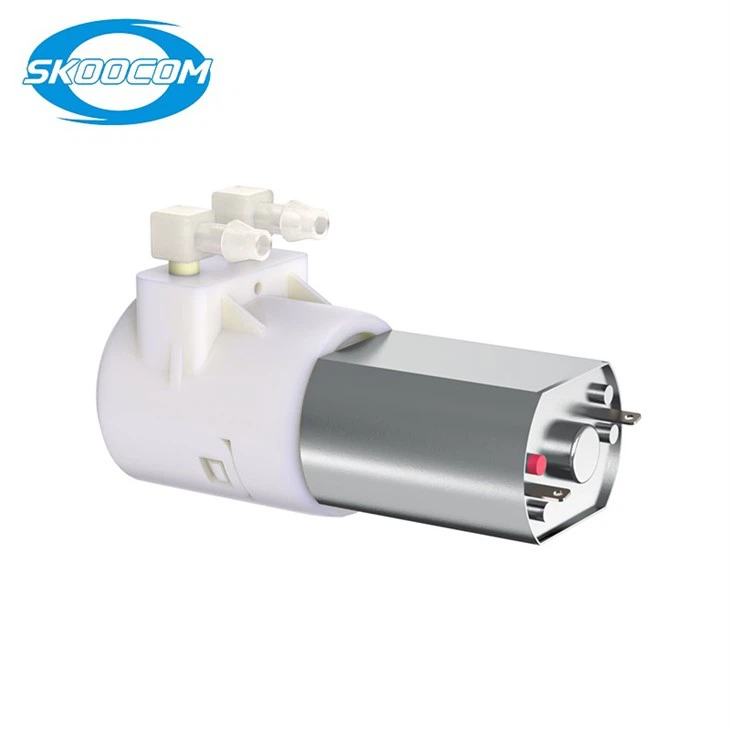

- Digital Control: Choose a controller that offers digital control for precise adjustment of the pump parameters.
- Programmability: Look for a controller that allows you to program different flow rates and pumping cycles.
- Remote Control: Some controllers offer remote control capabilities, which can be convenient for applications where the pump is located in a hard-to-reach area.
- Safety Features: Ensure that the controller has safety features such as overcurrent protection and temperature monitoring.
For example, if you need to control the flow rate of a micro peristaltic pump in a laboratory setting, you may choose a controller that offers digital control and programmability. This allows you to set the desired flow rate and pumping cycle, ensuring accurate and consistent fluid delivery.
Optimize the Pumping Conditions
The pumping conditions can also affect the efficiency of a micro peristaltic pump. Here are some tips to optimize the pumping conditions:
- Temperature: Keep the pump and the fluid at the appropriate temperature. Extreme temperatures can affect the viscosity of the fluid and the performance of the pump.
- Pressure: Ensure that the pressure in the system is within the recommended range. High pressures can cause the pump to work harder and reduce its efficiency.
- Flow Rate: Adjust the flow rate to match the requirements of your application. A higher flow rate may be necessary for some applications, but it can also increase the pressure drop and reduce the efficiency of the pump.
- Air Bubbles: Remove any air bubbles from the fluid before pumping. Air bubbles can cause inconsistent flow and reduce the accuracy of the pump.
By optimizing the pumping conditions, you can improve the efficiency of the micro peristaltic pump and ensure accurate fluid delivery.
Conclusion
Improving the efficiency of a micro peristaltic pump requires careful consideration of several factors, including pump selection, tubing selection, maintenance, pump controller, and pumping conditions. By following the tips outlined in this blog post, you can enhance the performance of your micro peristaltic pump and achieve more accurate and efficient fluid delivery.
If you are interested in purchasing a micro peristaltic pump or have any questions about improving its efficiency, please feel free to contact us for a consultation. We are a leading supplier of micro peristaltic pumps and can provide you with the best solutions for your specific needs.
References
- [Micro Peristaltic Pump Handbook](Manufacturer's Handbook)
- [Fluid Dynamics and Pumping Principles](Textbook on Fluid Mechanics)
- [Best Practices for Micro Peristaltic Pump Maintenance](Industry White Paper)