

Hey there! As a vane pump supplier, I've seen a lot of folks scratching their heads when it comes to choosing the right vane pump. It's not as simple as it might seem at first glance, but don't worry – I'm here to break it down for you.
First things first, let's talk about what a vane pump actually is. A vane pump is a type of positive displacement pump. It uses vanes that slide in and out of slots in a rotor to move fluid. These pumps are pretty versatile and are used in a wide range of applications, from automotive systems to industrial machinery.
Flow Rate and Pressure Requirements
One of the most important things to consider when choosing a vane pump is your flow rate and pressure requirements. The flow rate is basically how much fluid the pump needs to move in a given amount of time, usually measured in gallons per minute (GPM) or liters per minute (LPM). The pressure requirement, on the other hand, is how much force the pump needs to generate to move the fluid through the system.
If you're working on a small-scale project, like a DIY fluid transfer system, you might not need a high flow rate or pressure. In that case, a Micro Air Pump Diaphragm Pump Mini Positive Pressure Pump could be a great choice. It's compact, efficient, and can handle lower flow rates and pressures just fine.
But if you're dealing with a large industrial application, like a manufacturing plant or a hydraulic system, you'll probably need a pump that can handle higher flow rates and pressures. You might want to look into pumps that are specifically designed for heavy-duty use.
Viscosity of the Fluid
Another crucial factor is the viscosity of the fluid you'll be pumping. Viscosity refers to how thick or thin a fluid is. For example, water has a low viscosity, while oil has a higher viscosity.
Vane pumps work best with fluids that have a relatively low to medium viscosity. If you're pumping a very thick fluid, the vanes might not be able to move freely, which can cause the pump to wear out faster or even fail. In some cases, you might need to heat the fluid to reduce its viscosity before pumping it.
Operating Temperature
The operating temperature of the environment where the pump will be used is also important. Vane pumps are designed to operate within a certain temperature range. If the temperature is too high, the fluid might break down, and the pump components could expand, leading to increased wear and potential damage.
On the other hand, if the temperature is too low, the fluid might become too thick, making it difficult for the pump to operate efficiently. Make sure to choose a pump that can handle the temperature conditions of your application.
Pump Material and Construction
The material and construction of the pump can have a big impact on its performance and durability. Vane pumps can be made from a variety of materials, including cast iron, stainless steel, and aluminum.
Cast iron pumps are strong and durable, but they can be heavy and prone to corrosion in some environments. Stainless steel pumps are corrosion-resistant and can handle a wide range of fluids, but they can be more expensive. Aluminum pumps are lightweight and offer good corrosion resistance, but they might not be as strong as cast iron or stainless steel.
Noise and Vibration
Noise and vibration can be a concern, especially if the pump will be used in a residential or quiet commercial environment. Some vane pumps are designed to operate quietly, while others might produce more noise and vibration.
If noise is an issue for you, look for pumps that have features like noise-reducing enclosures or vibration-dampening mounts. You might also want to consider the location where the pump will be installed and take steps to isolate it from the surrounding area.
Cost and Budget
Of course, cost is always a factor when making a purchasing decision. You'll need to balance your budget with the features and performance you need. There are pumps available at a wide range of price points.
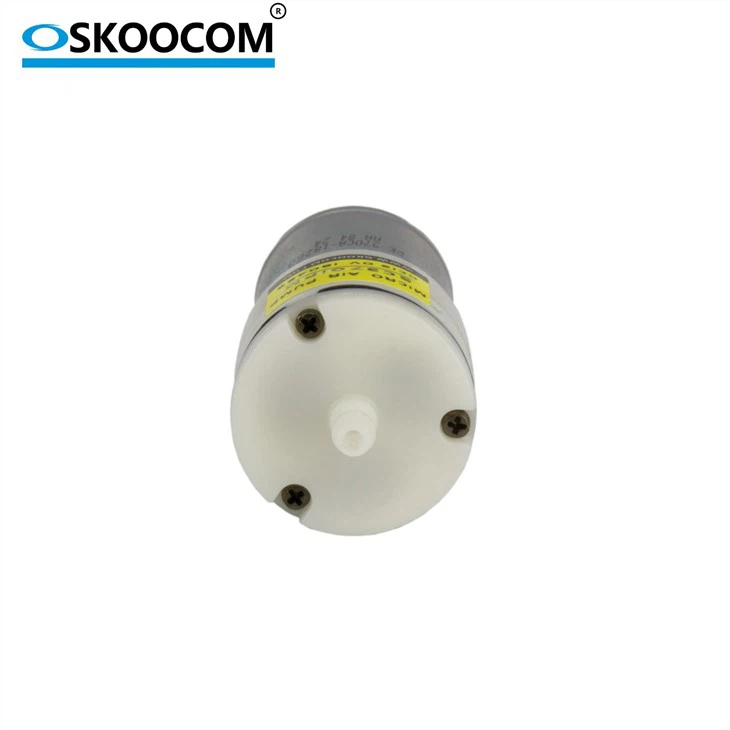

For example, a Reasonable Price Brush Motor Pump might be a great option if you're on a tight budget but still need a reliable pump. On the other hand, if you need a high-performance pump with advanced features, you might have to spend a bit more.
Maintenance and Serviceability
Finally, consider the maintenance and serviceability of the pump. Vane pumps require regular maintenance to ensure they continue to operate efficiently. This might include tasks like changing the oil, replacing the vanes, and checking the seals.
Choose a pump that is easy to access and maintain. Look for pumps that come with clear instructions and have readily available replacement parts. Some pumps might also come with a warranty, which can give you peace of mind in case something goes wrong.
Conclusion
Choosing the right vane pump can be a bit of a challenge, but by considering factors like flow rate, pressure, viscosity, temperature, material, noise, cost, and maintenance, you can make an informed decision. As a vane pump supplier, I'm here to help you find the perfect pump for your needs. If you have any questions or need more information, don't hesitate to reach out. We can discuss your specific requirements and find the best solution for your project. Whether you're a small business owner or a large industrial operator, we've got the expertise and the products to meet your needs. So, let's get in touch and start the conversation about your vane pump requirements!
References
- "Pump Handbook" by Igor J. Karassik et al.
- "Fluid Mechanics and Hydraulics" by R. C. Hibbeler.