

The power factor is a crucial parameter in the operation of an electromagnetic pump, significantly influencing its performance, efficiency, and overall cost - effectiveness. As a well - established electromagnetic pump supplier, we have witnessed firsthand the impact of power factor on these pumps' operation.
Understanding Power Factor
Before delving into how power factor affects the operation of an electromagnetic pump, it's essential to understand what power factor is. Power factor (PF) is the ratio of real power (P), which is used to do useful work, to apparent power (S). Apparent power is the product of the voltage and current in an AC circuit. Mathematically, PF = P/S. A power factor of 1 (or 100%) indicates that all the electrical power supplied to the device is being used for useful work, while a lower power factor means that a portion of the power is being wasted, typically in the form of reactive power.
Impact on Efficiency
One of the most significant ways the power factor affects the operation of an electromagnetic pump is through its impact on efficiency. An electromagnetic pump works by using electromagnetic forces to move fluid. When the power factor is low, the pump has to draw more current from the power source to achieve the same amount of useful work. This increased current leads to higher resistive losses in the pump's windings and other electrical components.
For example, if a pump with a low power factor is used in a continuous - operation application, such as in a water treatment plant, the additional energy losses can result in substantial increases in electricity bills over time. In contrast, a pump with a high power factor can operate more efficiently, converting a larger proportion of the electrical energy it consumes into mechanical energy for fluid movement. This not only reduces energy costs but also helps in minimizing the environmental impact associated with energy consumption.
Effect on Motor Performance
The power factor also has a direct effect on the performance of the motor in an electromagnetic pump. Motors are at the heart of these pumps, and their proper functioning is essential for the pump to operate effectively. A low power factor can cause the motor to overheat. As the motor draws more current due to the reactive power component, the increased current flow generates more heat in the motor windings.
Overheating can lead to a variety of problems, including reduced motor lifespan, increased maintenance requirements, and even motor failure. In addition, the increased current can cause voltage drops in the electrical system, which can further degrade the motor's performance. On the other hand, a high - power - factor motor in an electromagnetic pump can operate at a more stable temperature, ensuring consistent performance and a longer service life.
Power System Requirements
Another aspect to consider is the impact of the power factor on the power system requirements. When a pump with a low power factor is connected to the power grid, it can cause problems for the overall power system. Utilities often charge industrial and commercial customers based on their power factor. A low power factor can result in additional charges for the customer, as it places a greater burden on the power grid.
Moreover, a large number of low - power - factor devices connected to the grid can cause voltage fluctuations and power quality issues. This can affect other equipment connected to the same grid, leading to malfunctions and reduced reliability. As an electromagnetic pump supplier, we recommend using pumps with high power factors to our customers to avoid these power system - related problems.
Improving Power Factor
There are several ways to improve the power factor of an electromagnetic pump. One common method is to use power factor correction capacitors. These capacitors are connected in parallel with the pump's electrical circuit and can compensate for the reactive power, thereby increasing the power factor.
For instance, in some of our High Vacuum Pump with Bracket models, we have incorporated power factor correction capacitors as standard features. This not only improves the pump's efficiency but also ensures that the pump operates within the acceptable power factor range for most power systems.
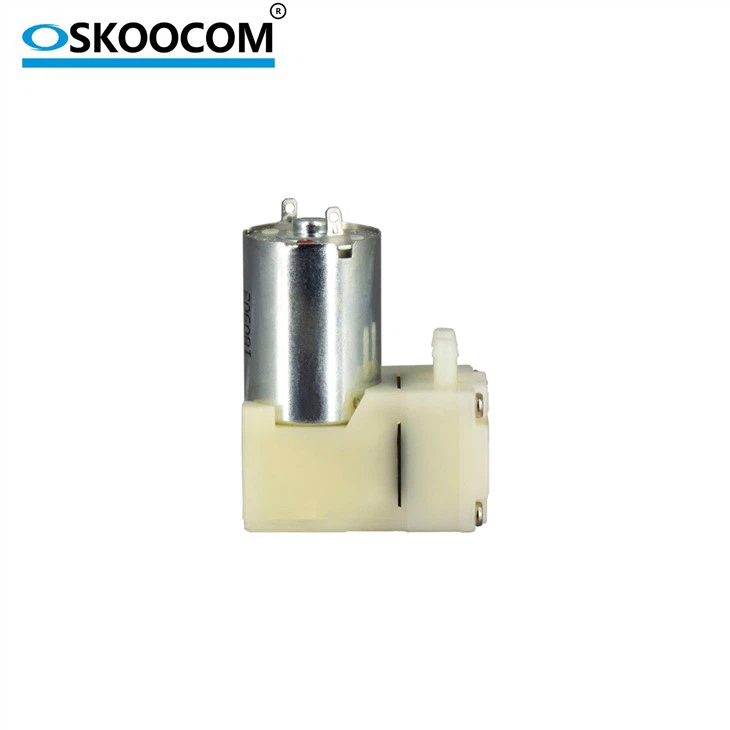

Another approach is to use more advanced motor designs. Modern motors are often designed to have higher power factors. For example, our mini diaphragm vacuum pump uses a state - of - the - art motor design that inherently has a high power factor, providing better performance and energy efficiency.
Relationship with Pump Capacity and Head
The power factor can also influence the pump's capacity and head. Pump capacity refers to the volume of fluid the pump can move per unit of time, while head is the height to which the pump can lift the fluid. A low power factor can reduce the pump's ability to achieve its rated capacity and head.
When the motor in the pump is operating with a low power factor, it may not be able to generate enough torque to drive the pump at its optimal speed. This results in a decrease in the pump's flow rate and the maximum height to which it can lift the fluid. In contrast, a high - power - factor pump can maintain its rated capacity and head more consistently, ensuring reliable performance in various applications.
Cost - Benefit Analysis
From a business perspective, understanding the impact of power factor on an electromagnetic pump's operation is crucial for cost - benefit analysis. While pumps with high power factors may have a slightly higher upfront cost, the long - term savings in energy costs and reduced maintenance requirements can far outweigh the initial investment.
For example, our Hight Electric Mini Vacuum Air Pump is designed with a high power factor. Although the purchase price might be a bit higher compared to some lower - quality pumps with low power factors, customers who choose this pump can expect significant savings in their energy bills over the pump's lifespan. Additionally, the reduced likelihood of motor failures and other performance issues means less downtime and lower maintenance costs.
Conclusion
In conclusion, the power factor of an electromagnetic pump has a profound impact on its operation. It affects efficiency, motor performance, power system requirements, pump capacity, and overall cost - effectiveness. As an electromagnetic pump supplier, we are committed to providing our customers with pumps that have high power factors. By doing so, we help our customers save on energy costs, improve the reliability of their systems, and reduce their environmental footprint.
If you are in the market for an electromagnetic pump and want to learn more about how power factor can impact your specific application, we encourage you to reach out to us for a detailed consultation. Our team of experts can provide you with in - depth information and help you select the right pump for your needs. Whether you are looking for a pump for a small - scale laboratory application or a large - scale industrial process, we have the solutions to meet your requirements. Contact us today to start the procurement process and take advantage of the benefits of high - power - factor electromagnetic pumps.
References
- Chapman, S. J. (2012). Electric Machinery Fundamentals. McGraw - Hill Education.
- Dorf, R. C., & Bishop, R. H. (2013). Introduction to Electric Circuits. Wiley.
- Pump Handbook (4th Edition). Karassik, I. J., Messina, J. P., Cooper, P. W., & Heald, C. C. (Eds.). McGraw - Hill Professional.