

Hey there! As a rubber pad supplier, I've been getting a lot of questions lately about how rubber pads perform in high - humidity environments. So, I thought I'd share some insights based on my experience and knowledge in the industry.
First off, let's talk about what high - humidity environments are. We're talking about places where the air is loaded with moisture, like tropical regions, basements, or industrial settings near water sources. In these areas, humidity levels can often reach 70% or even higher.
Now, when it comes to rubber pads, the performance in such conditions can be a mixed bag. One of the main things to consider is the material of the rubber. Different types of rubber have different properties that affect how they hold up in high humidity.
Natural rubber, for example, is a common choice. It's known for its excellent elasticity and flexibility. But in high - humidity environments, it can face some challenges. Natural rubber is porous to some extent, which means it can absorb moisture. When it absorbs water, it can swell. This swelling can lead to changes in the dimensions of the rubber pad. If you're using it in a precision application, like in a machine where tight tolerances are required, this swelling can cause problems. The pad might not fit properly anymore, or it could interfere with the operation of other components.
On the other hand, synthetic rubbers like neoprene and silicone have some advantages in high - humidity situations. Neoprene is resistant to water, oils, and chemicals. It has a low water absorption rate, which means it won't swell as much as natural rubber in a humid environment. This makes it a great choice for applications where water resistance is crucial, such as in outdoor equipment or marine applications.
Silicone rubber is another excellent option. It has a high resistance to temperature variations and is also very water - resistant. Silicone rubber pads can maintain their flexibility and performance even in extremely humid conditions. They're often used in electrical applications because of their good insulation properties, which remain stable even when exposed to moisture.
Let's also talk about the impact of humidity on the surface of the rubber pads. In high - humidity environments, there's a higher chance of mold and mildew growth on the rubber. Mold and mildew not only look bad but can also degrade the rubber over time. They can weaken the structure of the rubber, making it more prone to tearing and cracking. To prevent this, some rubber pads are treated with anti - microbial agents during the manufacturing process. These agents help to inhibit the growth of mold and mildew, extending the lifespan of the rubber pad.
Another aspect to consider is the effect of humidity on the adhesion of rubber pads. If you're using a rubber pad that needs to stick to a surface, high humidity can affect the adhesive. Moisture in the air can reduce the effectiveness of the adhesive, causing the pad to come loose. This is particularly important in applications where a secure bond is essential, like in automotive or aerospace industries.
Now, I want to mention a couple of our products that are well - suited for high - humidity environments. Check out our Long - life Socket Insulation Cable Motor Waterproof Rubber Pad. This pad is made from a high - quality synthetic rubber that offers excellent water resistance. It's designed to provide insulation and protection for cables and motors, even in damp conditions.
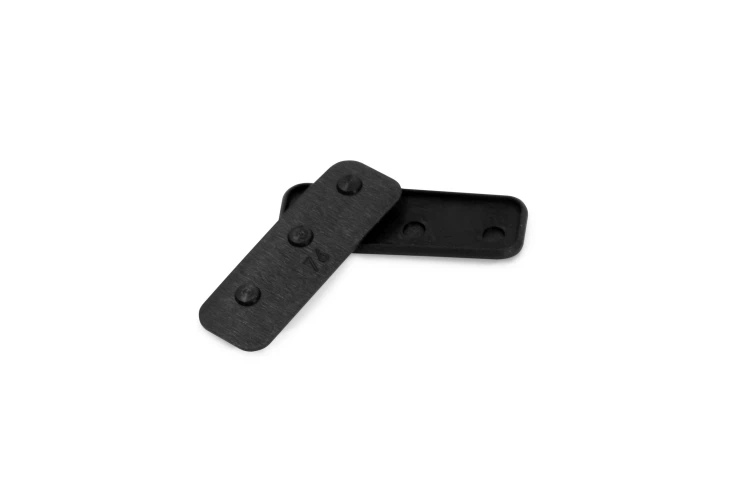

We also have the Long - life Insulation Electric Audio Shock Seal Rubber Pad Mat. This pad is great for electrical and audio applications. It has good insulation properties and can withstand high humidity without losing its performance.
In conclusion, the performance of rubber pads in high - humidity environments depends on several factors, including the type of rubber, surface treatments, and the specific application. By choosing the right type of rubber and ensuring proper maintenance, you can ensure that your rubber pads will perform well even in the most humid conditions.
If you're in the market for rubber pads and need them to perform in high - humidity settings, I'd love to have a chat with you. Let's discuss your specific requirements and find the best solution for your needs. Whether it's for industrial, commercial, or residential use, we've got a wide range of rubber pads to choose from.
References
- "Handbook of Rubber Technology" by Jacob K. George
- "Rubber Engineering and Technology" by A. Y. Coran