

Do seal mats cause static electricity? This is a question that often comes up in discussions about the functionality and safety of seal mats. As a seal mat supplier, I've encountered this query numerous times from customers who are concerned about the potential risks associated with static electricity. In this blog post, I'll delve into the science behind static electricity, explore whether seal mats can cause it, and discuss the implications for various applications.
Understanding Static Electricity
Static electricity is the result of an imbalance of electric charges within or on the surface of a material. When two materials come into contact and then separate, electrons can be transferred from one material to the other. This transfer creates a charge imbalance, with one material becoming positively charged and the other negatively charged. The build - up of these charges can lead to static electricity.
The generation of static electricity depends on several factors, including the materials involved, the amount of friction between them, and the humidity of the environment. Materials that are good insulators, such as rubber and plastic, are more likely to accumulate static charges because they do not allow electrons to flow freely.
Seal Mats and Static Electricity
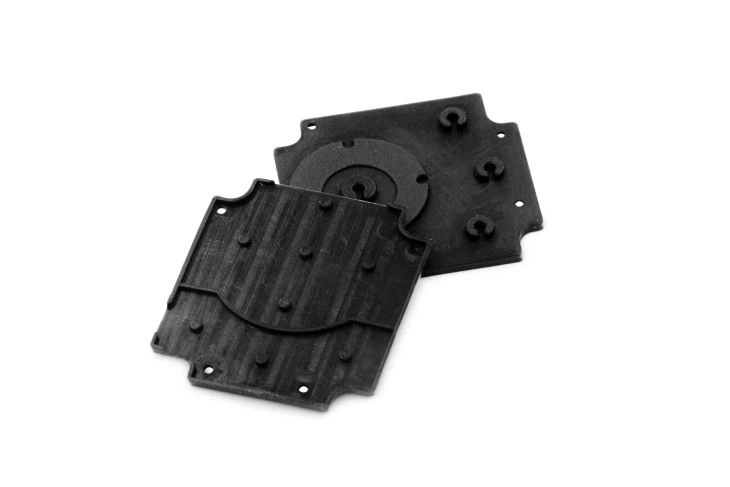
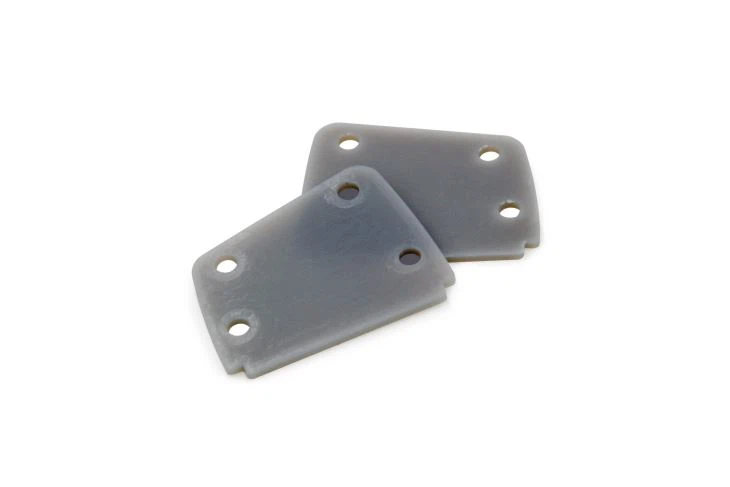
Seal mats are commonly made from rubber or other elastomeric materials. Rubber is an insulator, which means it has the potential to accumulate static charges. However, whether a seal mat actually causes static electricity depends on several factors.
Material Composition
The type of rubber used in the seal mat plays a crucial role. Some rubbers are formulated to have anti - static properties. These rubbers contain additives that help to dissipate static charges, reducing the likelihood of a significant static build - up. For example, conductive carbon black can be added to the rubber compound to make it more electrically conductive. This allows electrons to move more freely through the material, preventing the build - up of static charges.
On the other hand, standard rubber seal mats without anti - static additives are more likely to generate static electricity. When these mats are in contact with other materials and there is friction, such as when a person walks on them or equipment is moved across them, electrons can be transferred, leading to a static charge.
Environmental Conditions
The environment in which the seal mat is used also affects static electricity generation. Low humidity environments are more conducive to static build - up. In dry air, there are fewer water molecules to help dissipate static charges. As a result, static electricity is more likely to occur in places like air - conditioned offices, warehouses in arid regions, or during the winter months when the air is naturally drier.
In contrast, high humidity environments can reduce the risk of static electricity. Water molecules in the air can act as conductors, helping to neutralize static charges on the surface of the seal mat.
Usage and Friction
The way the seal mat is used is another important factor. If the seal mat is subject to a lot of friction, such as in industrial settings where heavy machinery is constantly moving over it, the likelihood of static electricity generation increases. Similarly, in areas with high foot traffic, such as entrances to buildings, the friction between shoes and the seal mat can lead to static build - up.
Implications of Static Electricity from Seal Mats
Static electricity from seal mats can have several implications, both positive and negative.
Negative Implications
- Safety Hazards: In some industries, such as the electronics and chemical industries, static electricity can pose a significant safety risk. A static discharge can cause damage to sensitive electronic components, leading to malfunctions or even complete failure. In chemical plants, a static spark can ignite flammable gases or liquids, resulting in explosions or fires.
- Comfort Issues: Static electricity can also cause discomfort to people. A static shock when touching a seal mat or an object in contact with it can be unpleasant and may even startle individuals.
Positive Implications
In some cases, static electricity can be beneficial. For example, in certain manufacturing processes, static electricity can be used to attract and hold particles in place. Seal mats with a controlled amount of static charge can be used to collect dust and debris, helping to keep the surrounding area clean.
Our Solutions as a Seal Mat Supplier
As a seal mat supplier, we understand the concerns related to static electricity. That's why we offer a range of seal mats to meet different needs.
We have Long - life Insulation Electric Audio Shock Seal Rubber Pad Mat, which is designed with anti - static properties. These mats are ideal for use in environments where static electricity could cause damage to sensitive equipment, such as in audio recording studios or electronics manufacturing facilities.
Our Long - life Socket Insulation Cable Motor Waterproof Rubber Pad is another product that takes into account the issue of static electricity. It is made from a special rubber compound that not only provides excellent insulation and waterproofing but also helps to minimize static build - up. This makes it suitable for use in industrial settings where there is a risk of static - related problems.
Contact Us for Procurement
If you're in the market for seal mats and have concerns about static electricity, we're here to help. Our team of experts can provide you with detailed information about our products and help you choose the right seal mat for your specific application. Whether you need a small quantity for a home project or a large order for an industrial facility, we can meet your requirements.
We believe in providing high - quality products at competitive prices, along with excellent customer service. If you're interested in learning more about our seal mats or would like to discuss a potential procurement, please don't hesitate to reach out. We look forward to working with you to find the best seal mat solutions for your needs.
References
- "Static Electricity: Its Causes and Effects" by Physics Today
- "Rubber Materials and Their Electrical Properties" by the Journal of Polymer Science