

As a seasoned seal mat supplier, I've had the privilege of exploring the diverse world of seal mats. The answer to the question "Are there different types of seal mats?" is a resounding yes. In this blog, I'll delve into the various types of seal mats, their unique features, and applications, providing you with a comprehensive understanding of this essential product.
Rubber Seal Mats
Rubber is one of the most commonly used materials for seal mats due to its excellent elasticity, durability, and resistance to various environmental factors. Rubber seal mats can be further classified into different types based on their specific properties and applications.
Natural Rubber Seal Mats
Natural rubber is derived from the latex of rubber trees. It offers high elasticity, good tear strength, and excellent resistance to abrasion. Natural rubber seal mats are commonly used in applications where flexibility and shock absorption are required, such as in machinery and automotive industries. For example, they can be used as vibration dampeners in engines to reduce noise and vibration.
Synthetic Rubber Seal Mats
Synthetic rubber is manufactured through chemical processes and offers a wide range of properties depending on the type of rubber used. Some common types of synthetic rubber used for seal mats include neoprene, nitrile, and EPDM.
- Neoprene Seal Mats: Neoprene is a type of synthetic rubber that offers excellent resistance to oil, chemicals, and weathering. It is also flame-resistant, making it suitable for applications in harsh environments. Neoprene seal mats are commonly used in the marine industry, as well as in automotive and industrial applications where oil and chemical resistance are required.
- Nitrile Seal Mats: Nitrile rubber, also known as Buna-N, offers excellent resistance to oil, fuel, and solvents. It is commonly used in applications where contact with petroleum-based products is expected, such as in the automotive and aerospace industries. Nitrile seal mats are also used in gaskets and seals for hydraulic systems.
- EPDM Seal Mats: EPDM (Ethylene Propylene Diene Monomer) rubber offers excellent resistance to weathering, ozone, and UV radiation. It is also highly resistant to heat and cold, making it suitable for outdoor applications. EPDM seal mats are commonly used in the construction industry for sealing windows, doors, and roofs, as well as in automotive applications for weatherstripping.
Silicone Seal Mats
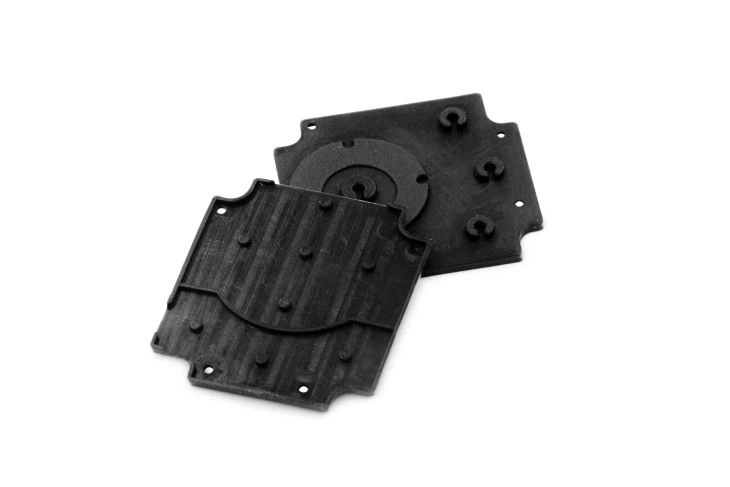
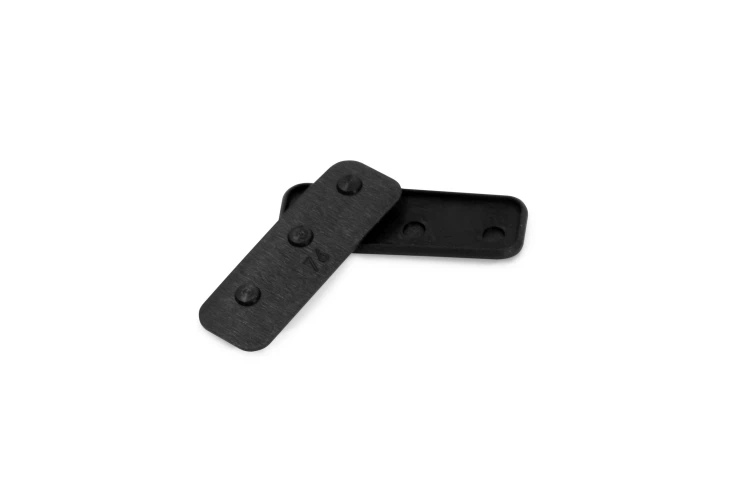
Silicone is a synthetic material that offers unique properties such as high temperature resistance, flexibility, and chemical stability. Silicone seal mats are commonly used in applications where high temperatures are involved, such as in the food and beverage industry, as well as in electrical and electronic applications.
High-Temperature Silicone Seal Mats
High-temperature silicone seal mats can withstand temperatures ranging from -60°C to 300°C, making them suitable for use in ovens, furnaces, and other high-temperature environments. They are also resistant to chemicals, water, and UV radiation, making them ideal for outdoor applications.
Electrical Insulation Silicone Seal Mats
Silicone seal mats offer excellent electrical insulation properties, making them suitable for use in electrical and electronic applications. They can be used as gaskets and seals for electrical enclosures, as well as in printed circuit boards to prevent electrical leakage.
Cork Seal Mats
Cork is a natural material that is derived from the bark of cork oak trees. It offers excellent compressibility, resilience, and resistance to moisture and chemicals. Cork seal mats are commonly used in applications where a soft and flexible seal is required, such as in wine bottle stoppers, as well as in automotive and industrial applications.
Cork Rubber Seal Mats
Cork rubber seal mats combine the properties of cork and rubber, offering excellent compressibility, resilience, and resistance to moisture and chemicals. They are commonly used in applications where a soft and flexible seal is required, such as in gaskets and seals for engines, as well as in automotive and industrial applications.
Applications of Seal Mats
Seal mats are used in a wide range of applications across various industries. Some common applications include:
Industrial Applications
In the industrial sector, seal mats are used for sealing and insulating machinery, equipment, and pipelines. They can prevent the leakage of fluids, gases, and dust, as well as reduce noise and vibration. For example, in the manufacturing industry, seal mats are used in pumps, valves, and compressors to ensure proper functioning and prevent leaks.
Automotive Applications
In the automotive industry, seal mats are used for a variety of purposes, including sealing doors, windows, and trunks, as well as in engines and transmissions to prevent oil and fluid leaks. They also contribute to reducing noise and vibration inside the vehicle, improving the overall comfort of the passengers.
Construction Applications
In the construction industry, seal mats are used for sealing windows, doors, and roofs to prevent water and air leakage. They also help to improve the energy efficiency of buildings by reducing heat loss and gain. For example, in commercial buildings, seal mats are used in HVAC systems to ensure proper insulation and prevent energy waste.
Electrical and Electronic Applications
In the electrical and electronic industry, seal mats are used for electrical insulation, as well as for protecting sensitive components from dust, moisture, and vibration. For example, in electronic devices such as computers and smartphones, seal mats are used to prevent the ingress of dust and moisture, which can cause damage to the internal components.
Our Product Offerings
As a seal mat supplier, we offer a wide range of high-quality seal mats to meet the diverse needs of our customers. Our product portfolio includes:
- Long-life Insulation Electric Audio Shock Seal Rubber Pad Mat: This rubber pad mat offers excellent insulation properties, making it suitable for electrical and audio applications. It can effectively prevent electrical shock and reduce noise and vibration.
- Long-life Socket Insulation Cable Motor Waterproof Rubber Pad: This rubber pad is designed for use in sockets, cables, and motors. It provides excellent insulation and waterproofing properties, ensuring the safety and reliability of electrical equipment.
Contact Us for Procurement
If you are interested in purchasing seal mats for your specific application, we invite you to contact us. Our team of experts is ready to assist you in selecting the right type of seal mat based on your requirements. We can provide you with detailed product information, samples, and competitive pricing.
References
- "Handbook of Rubber Technology" by Maurice Morton
- "Silicone Rubber Technology" by Michael J. Maitland
- "Cork: Properties, Uses and Applications" by Ana L. Gil and M. Graça Fonseca