

As a cable pad supplier, I often encounter various questions from customers regarding the performance and durability of our products. One question that comes up quite frequently is, "Are cable pads resistant to ozone?" In this blog post, I will delve into this topic, exploring the science behind ozone resistance, how it affects cable pads, and the measures we take to ensure our cable pads can withstand ozone exposure.
Understanding Ozone and Its Effects
Ozone (O3) is a highly reactive gas composed of three oxygen atoms. It is naturally present in the Earth's atmosphere, particularly in the stratosphere where it forms the ozone layer that protects us from harmful ultraviolet (UV) radiation. However, at ground level, ozone is considered a pollutant and can be harmful to both living organisms and materials.
Ground - level ozone is formed through chemical reactions between nitrogen oxides (NOx) and volatile organic compounds (VOCs) in the presence of sunlight. Industrial activities, vehicle emissions, and certain chemical processes are major sources of these precursors. Ozone is a strong oxidizing agent, which means it can react with a wide range of materials, causing degradation and deterioration over time.
When it comes to rubber materials, which are commonly used in cable pads, ozone can have a significant impact. Ozone attacks the double bonds in the rubber polymer chains, leading to the formation of cracks on the surface of the rubber. These cracks can gradually deepen and spread, compromising the integrity of the cable pad and reducing its performance. In severe cases, the cable pad may become brittle and lose its elasticity, which can result in leakage, reduced insulation properties, and ultimately, failure of the cable system.
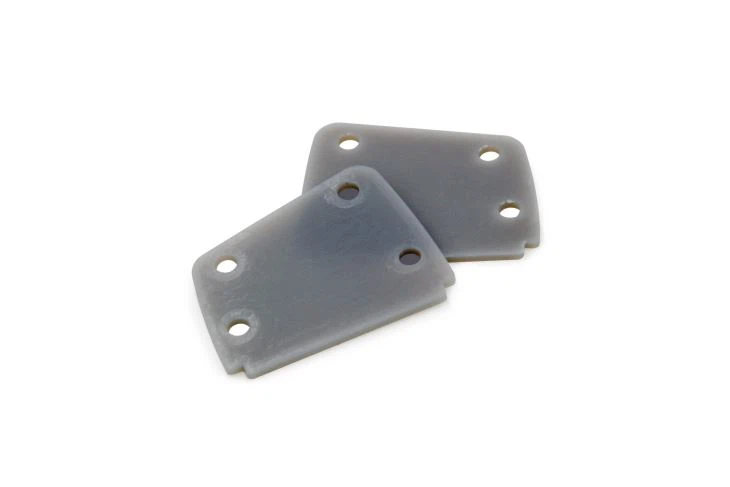
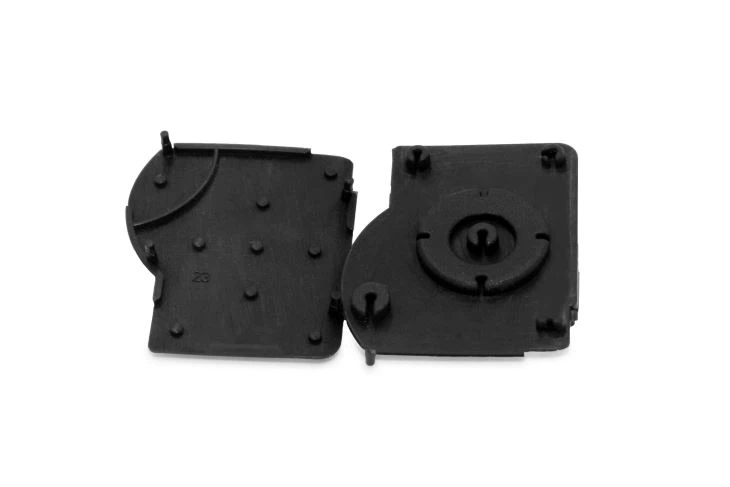
Ozone Resistance of Cable Pads
The ozone resistance of cable pads depends on several factors, including the type of rubber used, the presence of additives, and the manufacturing process.
Type of Rubber
Different types of rubber have varying degrees of ozone resistance. For example, natural rubber (NR) is relatively susceptible to ozone attack due to the high number of double bonds in its polymer structure. On the other hand, synthetic rubbers such as ethylene - propylene diene monomer (EPDM), chloroprene rubber (CR), and butyl rubber (IIR) generally offer better ozone resistance.
EPDM rubber is widely used in cable pads because of its excellent ozone resistance, along with good weatherability, electrical insulation properties, and heat resistance. The saturated polymer backbone of EPDM makes it less reactive with ozone, reducing the likelihood of crack formation. Chloroprene rubber also has good ozone resistance, as well as flame retardancy and oil resistance, which makes it suitable for certain applications where these properties are required. Butyl rubber has a low permeability to gases and is highly resistant to ozone, making it a good choice for applications where airtightness and ozone protection are important.
Additives
To enhance the ozone resistance of cable pads, various additives can be incorporated into the rubber compound. One of the most common types of additives is antiozonants. Antiozonants work by reacting with ozone before it can react with the rubber polymer chains, thus protecting the rubber from ozone - induced degradation. There are two main types of antiozonants: physical antiozonants and chemical antiozonants.
Physical antiozonants, such as waxes, form a protective layer on the surface of the rubber, which acts as a barrier against ozone. Chemical antiozonants, on the other hand, react with ozone to form stable compounds, preventing the ozone from attacking the rubber. These additives can significantly improve the ozone resistance of cable pads, especially in environments with high ozone concentrations.
Manufacturing Process
The manufacturing process also plays a crucial role in determining the ozone resistance of cable pads. Proper mixing of the rubber compound, including the uniform dispersion of additives, is essential to ensure consistent performance. Vulcanization, the process of cross - linking the rubber polymer chains, also affects the ozone resistance of the cable pad. A well - vulcanized rubber compound will have a more stable structure, which is better able to resist ozone attack.
Our Approach to Ensuring Ozone Resistance
As a cable pad supplier, we are committed to providing high - quality products that can withstand ozone exposure. We use advanced materials and manufacturing processes to ensure the ozone resistance of our cable pads.
We primarily use EPDM rubber in our cable pads due to its excellent ozone resistance and other desirable properties. Our rubber compound is carefully formulated with a combination of high - quality antiozonants to provide long - term protection against ozone. During the manufacturing process, we use state - of - the - art mixing equipment to ensure the uniform dispersion of additives, and our vulcanization process is precisely controlled to achieve the optimal cross - linking density.
We also conduct rigorous testing on our cable pads to ensure their ozone resistance. Our testing methods include exposing the cable pads to controlled ozone environments for a specified period of time and then evaluating the surface cracks and other signs of degradation. Only products that meet our strict quality standards are released to the market.
Our Product Range
We offer a wide range of cable pads that are designed to meet the diverse needs of our customers. Two of our popular products are the Long - life Insulation Electric Audio Shock Seal Rubber Pad Mat and the Long - life Socket Insulation Cable Motor Waterproof Rubber Pad.
The Long - life Insulation Electric Audio Shock Seal Rubber Pad Mat is made of high - quality EPDM rubber, which provides excellent insulation and ozone resistance. It is suitable for use in electrical and audio equipment, where it can prevent electrical shocks and protect against ozone damage. The Long - life Socket Insulation Cable Motor Waterproof Rubber Pad is designed for use in cable sockets and motors, providing waterproofing and insulation, as well as ozone protection.
Conclusion
In conclusion, cable pads can be resistant to ozone, but it depends on the type of rubber used, the presence of additives, and the manufacturing process. As a cable pad supplier, we take all these factors into consideration to ensure that our products can withstand ozone exposure and provide long - term performance.
If you are in the market for high - quality cable pads with excellent ozone resistance, we would be more than happy to assist you. Whether you need cable pads for electrical insulation, waterproofing, or other applications, we have the products and expertise to meet your needs. Please feel free to contact us for more information or to discuss your specific requirements. We look forward to the opportunity to work with you and provide you with the best cable pad solutions.
References
- ASTM D1149 - Standard Test Method for Rubber Deterioration - Surface Ozone Cracking in a Chamber.
- "Rubber Technology" by Maurice Morton.
- "Handbook of Elastomers" edited by A. K. Bhowmick and H. L. Stephens.